
Have you seen “cap” or “no cap” in a text and wondered what it means? You are not alone! Cap is everywhere in modern slang — in rap lyrics, TikToks, and group chats. It is short and punchy, but its meaning flips completely with two little words. Today, we will explain exactly what cap means, when people use it, and how to use it yourself.

What Does Cap Mean?
In slang, cap means a lie. To “cap” is to lie or exaggerate; “no cap” means “no lie — I’m serious.”
- Cap (noun/verb) = a lie / to lie: “That’s cap.”
- No cap = “for real,” “I’m not lying.”
- Capping = the act of lying: “Stop capping!”
Think of cap as the slang version of “lie,” and no cap as “honestly.”
How People Use Cap
People use cap to call out lies — or to swear they’re telling the truth.
- “He said he can bench 300 pounds? That’s cap.”
- “This is the best pizza in town, no cap.”
- “Stop capping, you were asleep!”
- “No cap, I studied all night.”
It is usually written in lowercase (cap).
Cap in Example Sentences
Let us look at how it sounds in real conversations:
- A: “I met a celebrity yesterday.” B: “Cap.”
- “She’s the funniest person I know, no cap.”
- “You’re capping — there’s no way that’s true.”
- “No cap, this song is a masterpiece.”
Notice how cap calls out the lie, while no cap guarantees the truth.
Where Did Cap Come From?
Cap comes from hip-hop culture. The leading theory: “high capping” was 1900s slang for bragging or exaggerating, and rappers revived it.
- 1900s: “to cap” meant to outdo someone in bragging.
- 2010s: Atlanta rap scene brings “cap/no cap” mainstream.
- 2019: YoungBoy Never Broke Again’s “No Cap” cements it.
- Today: universal Gen Z slang, on TikTok and beyond.
Fun fact: the 🧢 cap emoji is now visual shorthand — replying with just 🧢 means “that’s a lie!”
How to Use Cap Yourself
Using cap is easy:
- Call out a lie: “That’s cap.”
- Swear truth: Add “no cap” after your statement.
- As a verb: “Why are you capping?”
- Emoji version: Reply 🧢 to mean “cap,” or 🚫🧢 for “no cap.”
Tip: “no cap” is the more common of the two in everyday chat.
Common Mistakes to Avoid
Mistake 1: Using cap in formal writing.
- Wrong: “His statement was cap. — in a school essay”
- Right: “His statement was false.”
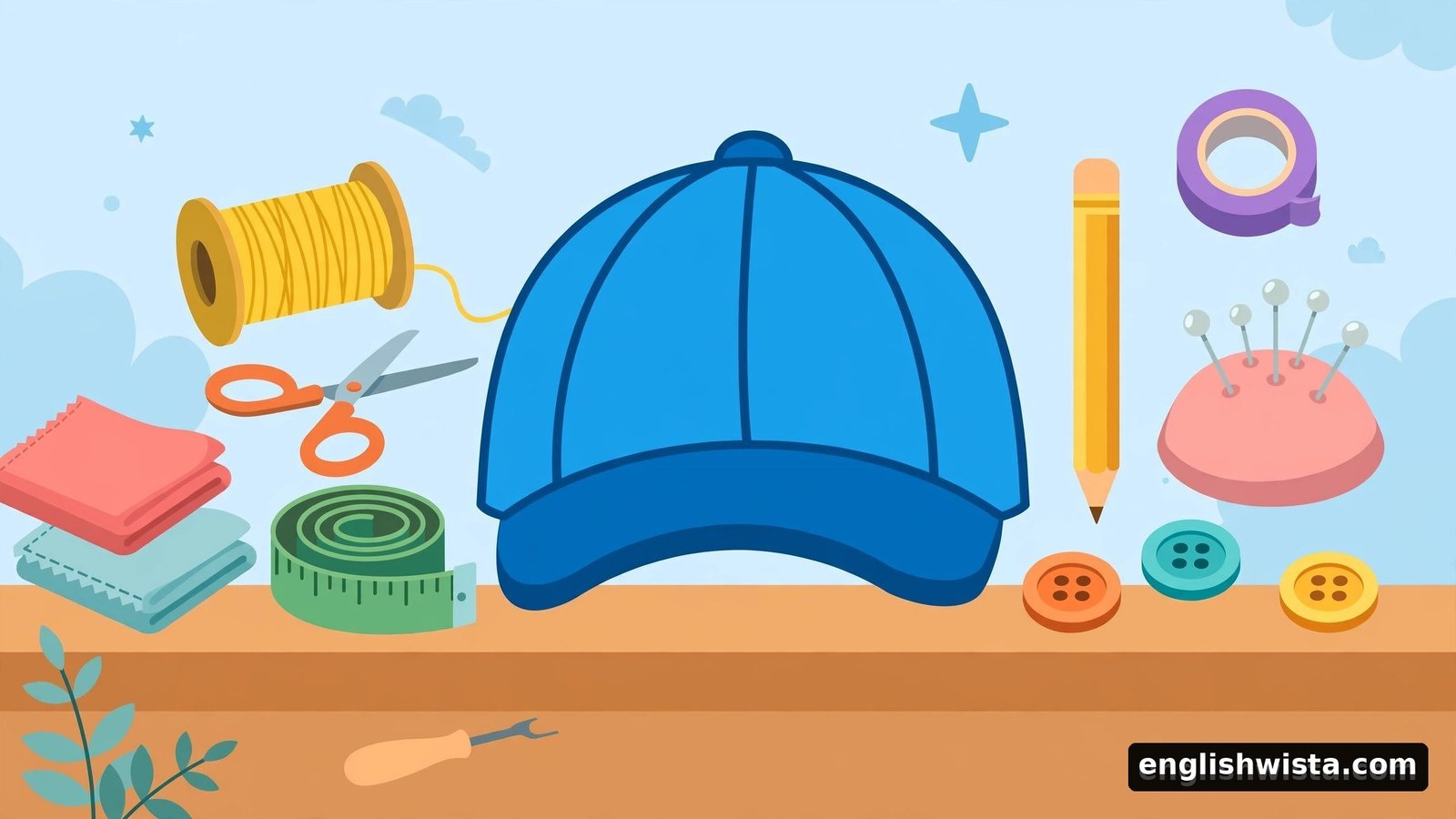
Mistake 2: Confusing with the hat. “Cap” still means a hat normally! Context decides: “nice cap” (hat) vs “that’s cap” (lie).
Mistake 3: Overusing “no cap.” If every sentence ends with “no cap,” it loses power. Save it for statements that really need emphasis.
Frequently Asked Questions
What does “stop the cap” mean? “Stop lying!” — a direct callout, popularized in rap.
Is “no cap” the same as “facts”? Close! “Facts” agrees with something true; “no cap” insists your own statement is true. Similar energy, different direction.
Can “cap” be positive? Rarely — it is almost always about lying. Stick to “no cap” for positive emphasis.
How do you pronounce it? Just like the hat: “kap.” Nothing fancy.
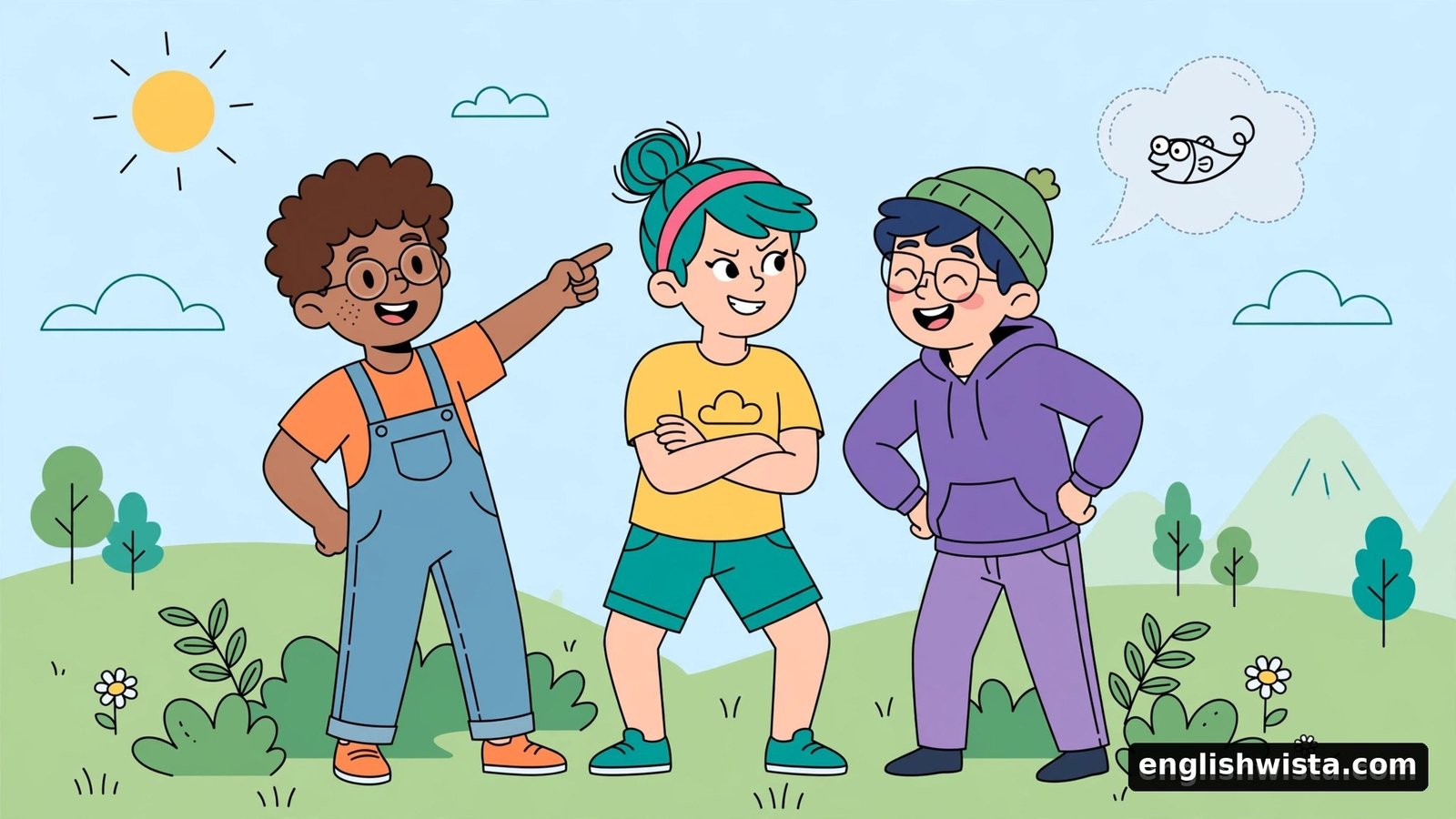
Mini Quiz: Test Yourself
Choose the best answer for each question.
- 1. What does “cap” mean in slang?
- 2. What does “no cap” mean?
- 3. Your friend claims he ran a marathon in 1 hour. You reply…?
- 4. True or false: “cap” is appropriate in a formal essay.
- 5. What does the 🧢 emoji mean as a reply?
Answers: 1. A lie 2. “No lie” / “for real” 3. “That’s cap.” 4. False — use “false” 5. “That’s a lie” (cap)
Quick Recap
- Cap = a lie; to cap = to lie.
- No cap = “no lie,” “for real.”
- From hip-hop culture; 🧢 emoji = visual “cap.”
- Context decides: hat vs lie.
- Keep it casual — never in formal writing.
Conclusion
So, what does cap mean? A lie — and no cap means you’re keeping it real. Now you know where it came from, how to use it, and when to leave it out. No cap, you’ll be using this one by tomorrow.