Do you ever write “beside” and wonder if it should be “besides”? You are not alone! These two differ by one tiny letter S, but one points to a place and the other adds extra information. Today, we will clear it up once and for all with a simple rule and easy examples you can actually remember.
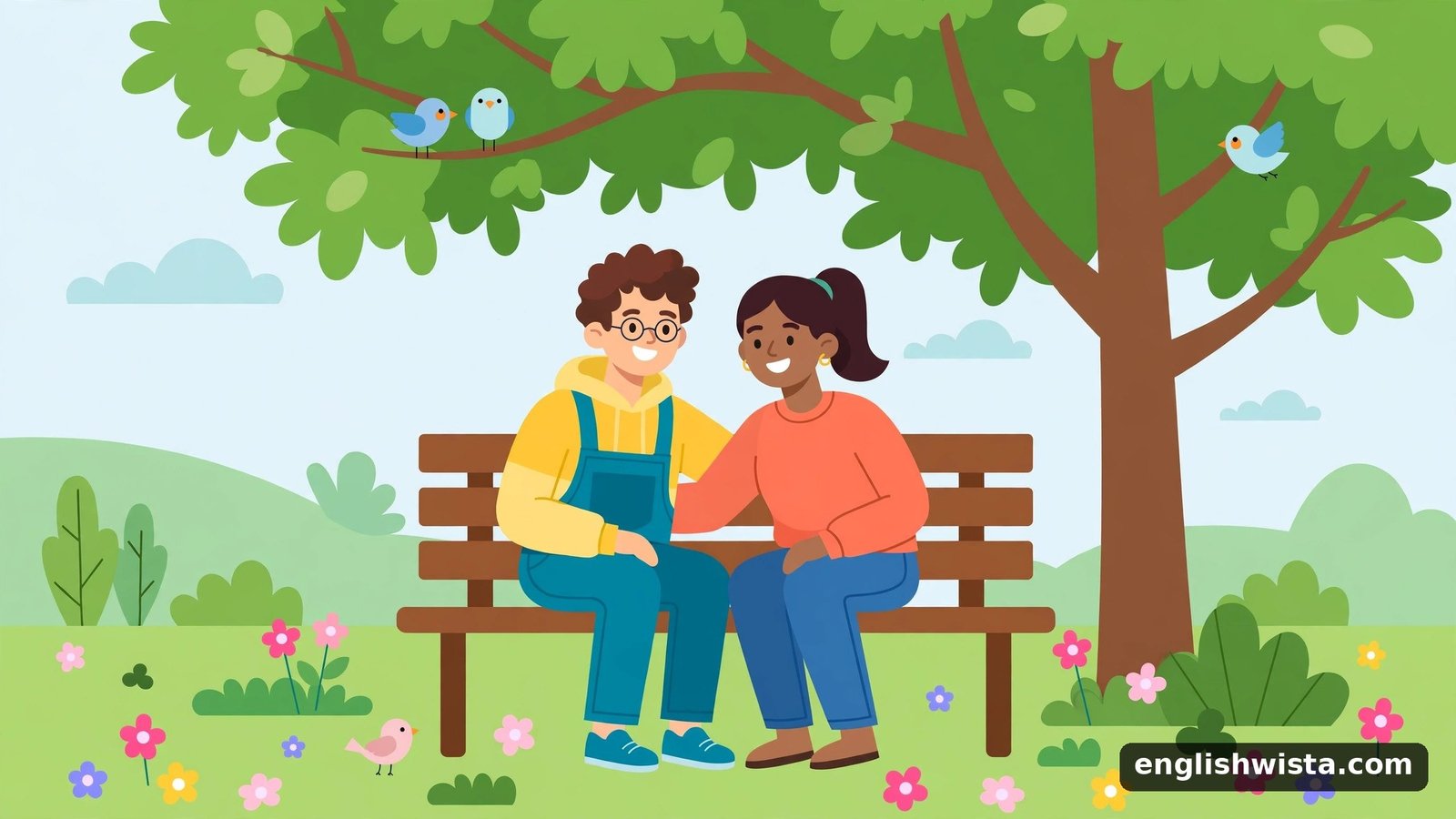
What Is the Simple Difference?
Here is the short answer you can use almost every time:
- Beside (no S) = next to — a physical place, side by side.
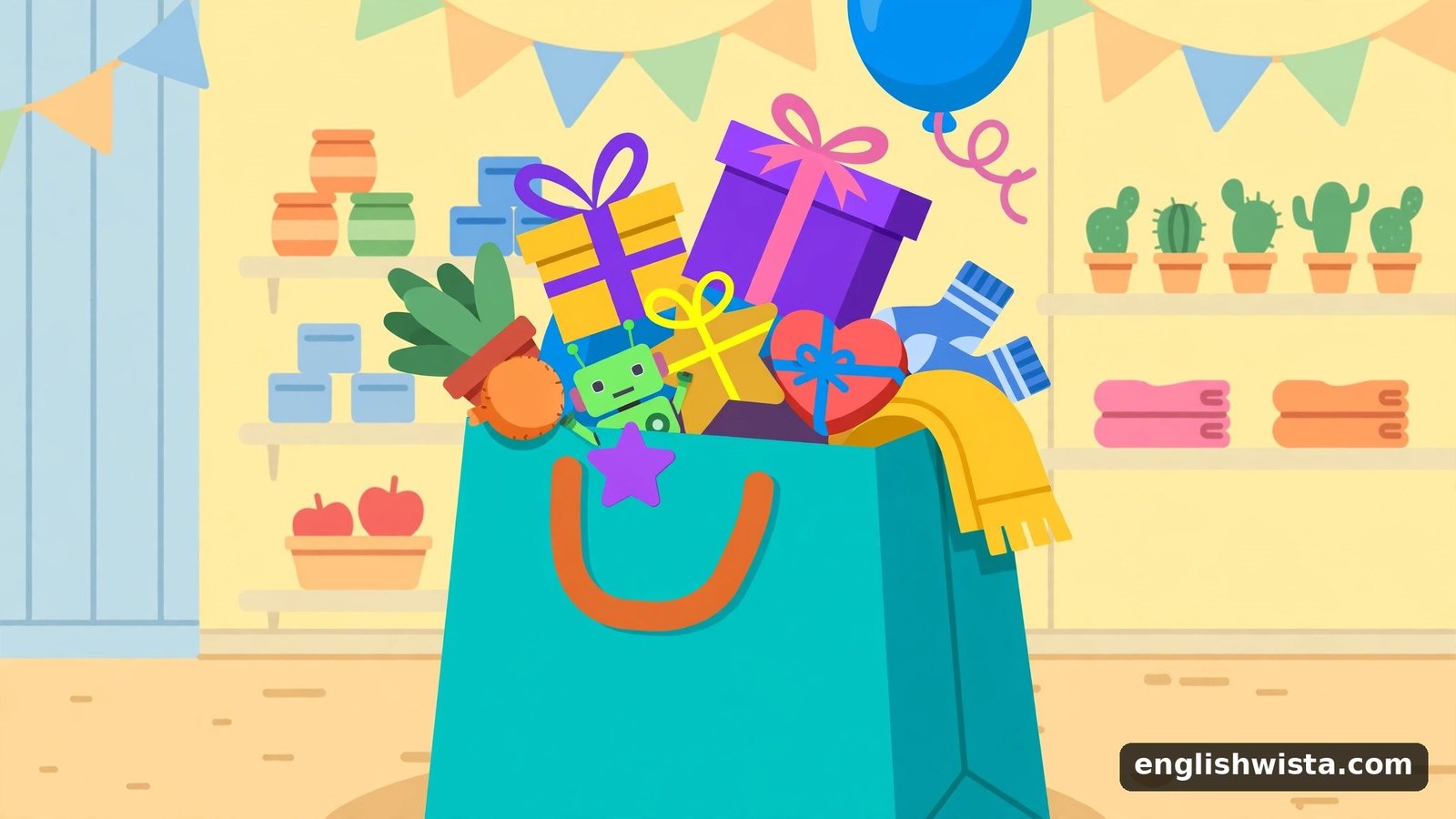
- Besides (with S) = in addition to / moreover — extra information.
Think of it this way: sit beside me; besides that, bring a chair too.
Beside: Next To
Use beside when something is physically next to something else.
- She sat beside me. (Next to me.)
- The lamp is beside the bed. (Beside = by the side of.)
- He stood beside his friend. (Right next to him.)
- Park the car beside the gate. (Alongside it.)
If you can replace it with “next to,” it is beside.
Besides: In Addition
Use besides when you are adding something extra — another item, reason, or point.
- Besides English, she speaks French. (In addition to English.)
- Besides, it’s too late now. (Moreover — extra point.)
- Who else was there besides Tom? (Other than/in addition to Tom.)
- Besides being cheap, it’s also fast. (Plus.)
If it means “plus” or “as well,” it is besides.
The Easy Trick to Remember
Here is a trick that never fails:
- Besides has an extra S — and S stands for Something extra! Addition = besides.
- Beside has no extra letter — just two things, side by side. Place = beside.
Try it:
- “Sit beside me.” — a place! Correct!
- “Besides pizza, we ordered pasta.” — something extra! Correct!
Side by side = beside. Something extra = besides. That is the whole secret!
Beside vs Besides in Example Sentences
Let us look at real-life pairs side by side:
- The keys are beside the phone. / Besides the keys, take the phone too.
- He sat beside his sister. / Besides his sister, his cousins came.
In each pair, beside = next to and besides = in addition.
Common Mistakes to Avoid
Mistake 1: “Besides” for a place.
- Wrong: “The cat slept besides me.”
- Right: “The cat slept beside me.” (Next to me!)
Mistake 2: “Beside” for addition.
- Wrong: “Beside money, you need luck.”
- Right: “Besides money, you need luck.” (In addition!)
Mistake 3: “Beside the point” confusion. The idiom is “beside the point” (irrelevant — literally off to the side of the topic). Always without S: “That’s beside the point.”
Frequently Asked Questions
Can “besides” mean “except”? Yes, sometimes: “No one besides you knows” (= apart from you). It is the “addition/exclusion” family — never a physical place.
What does “beside himself” mean? Overwhelmed with emotion: “He was beside himself with joy/worry.” A fixed idiom, always beside (no S).
Is “besides” formal? As an adverb (“Besides, …”) it is common in both speech and writing for adding a final argument.
How do I choose quickly? Ask: could I draw it (two objects side by side)? → beside. Am I adding a point or item? → besides.
Mini Quiz: Test Yourself
Choose beside or besides for each sentence.
- 1. Place the chair _____ the table.
- 2. _____ studying, she also works part-time.
- 3. He stood _____ his best friend in the photo.
- 4. _____, nobody would believe that story.
- 5. That’s _____ the point — stay on topic!
Answers: 1. beside (next to) 2. Besides (in addition) 3. beside (next to) 4. Besides (moreover) 5. beside (idiom)
Quick Recap
- Beside = next to (a place).
- Besides = in addition, moreover (extra S = something extra).
- Idioms: “beside the point,” “beside himself” — both without S.
- Drawable place → beside. Added point → besides.
- Only one letter differs — the S carries the extra meaning!
Conclusion
So, beside or besides? Now you know: beside puts things side by side, and besides adds something extra. With the extra-S trick in your pocket, you will never mix them up again. Keep practicing with real sentences, and soon the right word will come to you automatically!