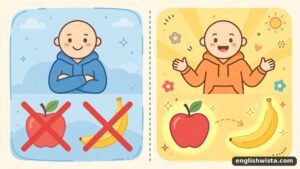
“An ingenious idea” or “an ingenuous idea”? These two words differ by one letter but mean almost opposite things. You are not alone! Today, we will explain exactly what ingenious vs ingenuous means, with a simple trick to remember it forever.
What Is the Simple Difference?
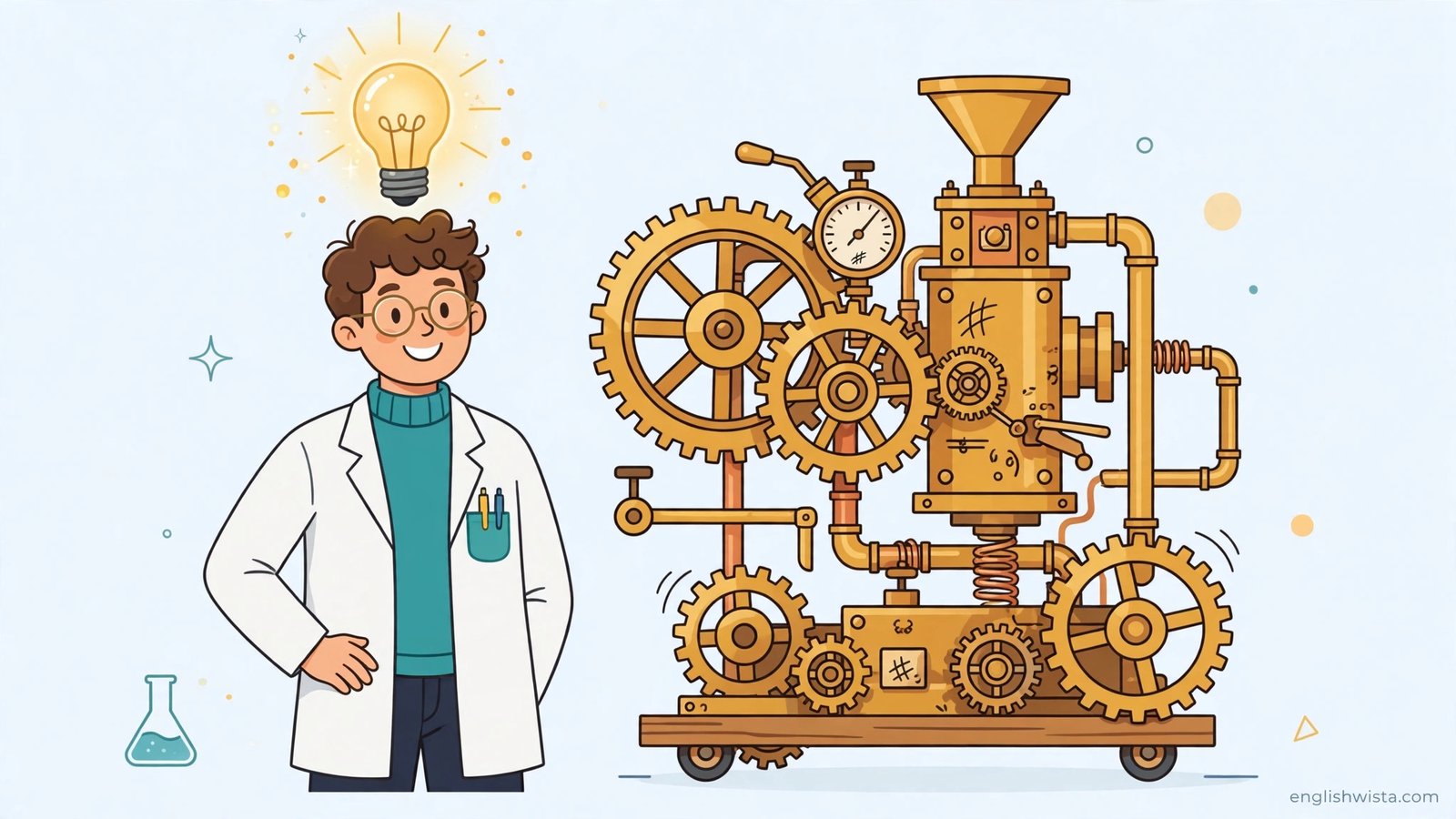
Ingenious is an adjective — clever, inventive, and smart (like a brilliant invention).
Ingenuous is an adjective — honest, innocent, and trusting (like a sincere child).
- Ingenious = clever (smart brain).
- Ingenuous = innocent (open heart).
Think of it this way: an ingenious mind invents; an ingenuous heart trusts.
Ingenious: Clever and Inventive
Ingenious describes something smart, original, and well-designed.
- “She came up with an ingenious plan to save money.”
- “The ingenious device folds into a tiny box.”
- “What an ingenious solution!”
If it is clever or brilliantly designed, it is ingenious — think genius.
Ingenuous: Honest and Innocent
Ingenuous describes a person who is sincere, trusting, and without trickery.
- “His ingenuous smile won everyone’s trust.”
- “She gave an ingenuous answer — completely honest.”
- “The child’s ingenuous questions made us laugh.”
If it means honest and innocent, it is ingenuous — think genuine.
The Easy Trick to Remember
- Ingenious contains genius — and geniuses are clever.
- Ingenuous contains genuine — and genuine people are honest.
Genius = ingenious (clever). Genuine = ingenuous (honest). That is the whole trick!
Example Pairs
- Ingenious: “An ingenious engineer built the bridge.” / Ingenuous: “An ingenuous child believed the story.”
- Ingenious: “The ingenious app saves hours of work.” / Ingenuous: “Her ingenuous nature made her easy to fool.”
- Ingenious: “It was an ingenious trick.” / Ingenuous: “He gave an ingenuous reply.”
Common Mistakes to Avoid
Mistake 1: Writing “ingenuous” when you mean clever.
- Wrong: “What an ingenuous invention!”
- Right: “What an ingenious invention!”
Mistake 2: Writing “ingenious” when you mean honest.
- Wrong: “Her ingenious smile showed she was sincere.”
- Right: “Her ingenuous smile showed she was sincere.”
Mistake 3: Thinking “ingenuous” means “not genuine.” It is the opposite! “Ingenuous” means honest and sincere — the “in-” here does not mean “not.”
Frequently Asked Questions
Are “ingenuous” and “naive” the same? Close — both suggest trusting simplicity. “Ingenuous” is warmer and more positive; “naive” can sound like a lack of experience.
What is the noun for “ingenuous”? “Ingenuousness” — though it is rare. People usually just say “honesty” or “innocence.”
How do you pronounce them? “Ingenious” is in-JEE-nyus; “ingenuous” is in-JEN-yoo-us. The middle syllable changes everything.

Mini Quiz: Test Yourself
Choose the best answer for each question.
- 1. The ______ design won an award for creativity.
- 2. His ______ honesty impressed the judges.
- 3. Which word contains “genius”?
- 4. True or false: “An ingenuous plan” means a clever plan.
- 5. Which word means honest and innocent?
Answers: 1. ingenious 2. ingenuous 3. ingenious 4. False — it means an honest, sincere plan 5. ingenuous

Quick Recap
- Ingenious = clever and inventive (contains “genius”).
- Ingenuous = honest and innocent (contains “genuine”).
- Trick: genius invents, genuine trusts.
- The “in-” in “ingenuous” does NOT mean “not” — it means honest!
Conclusion
So, ingenious vs ingenuous: be ingenious like a genius, be ingenuous like someone genuine. Remember the hidden words, and you will never mix them up again!