Have you ever been in a conversation and heard someone say the word “agreeance” instead of “agreement”? Maybe it made you pause for a second and wonder: “Wait, is that even a real word?” If so, you’re not alone. These commonly confused words look and sound similar — their pronunciation is nearly identical — but most people aren’t sure whether both are correct or if one of them is just a mistake.
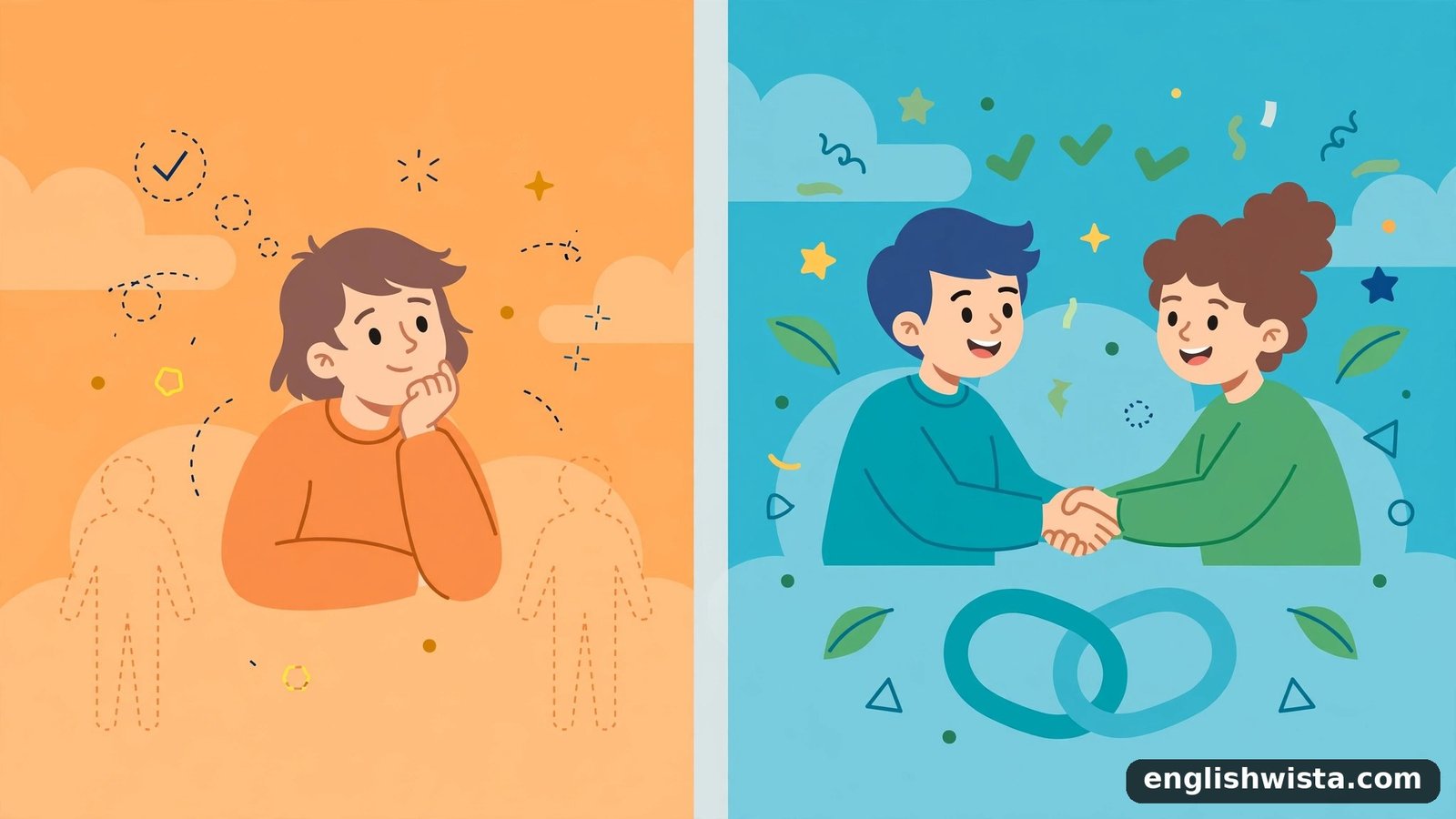
The truth is, agreement is the word you’ll see and hear almost everywhere, while agreeance is much less common. But that doesn’t mean it’s completely wrong. In this article, we’ll break down everything you need to know about these two words. We’ll explore their meanings, their history, how they’re used in real life, and why one is much more popular than the other.
By the end, you’ll not only understand the difference but also feel confident about which one to use in your own writing and conversations. Let’s dive in!
What Does “Agreement” Mean?
The word agreement is the standard, everyday choice.
Definition: Agreement means a shared understanding, a contract, or a situation where people think or feel the same way.
It can be used in different contexts:
- When people decide on something together.
- When something matches or aligns.
- When two parties sign a contract.
Examples:
- “We finally reached an agreement on the price.”
- “Their opinions were in complete agreement.”
- “The two companies signed an agreement to work together.”
Notice how natural and familiar “agreement” sounds. It’s widely accepted in both formal and everyday usage.
What Does “Agreeance” Mean?
Now let’s look at agreeance.
Definition: Agreeance is an older word whose closest synonym is “agreement” — the state of agreeing with someone or something.
However, it’s considered outdated and is a rare usage in modern English. If you open a dictionary, you’ll often find it marked as “archaic” (which means old-fashioned and not in common use anymore).
Examples:
- “I am in agreeance with your opinion.”
- “They showed their agreeance on the new rule.”
Does it sound a little unusual? That’s because we don’t hear it often today. Still, you might see it pop up in speeches, literature, or older texts. Some people use it intentionally to sound unique or formal, but in everyday English, “agreement” is the safer and more natural choice.
Are “Agreeance” and “Agreement” the Same?
In meaning, yes both words point to the state of agreeing. But in usage, no they’re not equal.
- Agreement = the standard, modern, correct choice in almost every situation.
- Agreeance = technically correct but very rare, outdated, and often replaced by “agreement.”
If you want your English to sound natural, especially in writing, stick with “agreement.”
Why Does “Agreeance” Exist at All?
Good question! English has been around for a very long time, and words often change over the centuries.
- Agreeance first appeared in the 1500s. At that time, it was used the same way we use “agreement” today.
- Over time, though, people began preferring “agreement,” and “agreeance” slowly faded away.
- By the 1700s, “agreement” had taken over almost completely.
So, “agreeance” isn’t wrong it’s just an older form that didn’t survive as the main word. Think of it like a vintage outfit: it’s interesting and stylish in certain situations, but most people don’t wear it every day.
Is It Wrong to Use “Agreeance”?
Not exactly. If you use “agreeance,” people will probably still understand what you mean. However, some might think you’ve made a mistake or that you’re trying too hard to sound formal.
Better choice: Stick with “agreement.”
Possible exception: If you’re quoting an old text, writing poetry, or deliberately trying to sound old-fashioned, “agreeance” might work.
Which One Do Dictionaries Prefer?
If you open most modern dictionaries, you’ll see something like this:
- Agreement: A full entry with multiple definitions, examples, and common uses.
- Agreeance: Usually listed as “archaic” or “rare,” with a note that “agreement” is the preferred form.
This tells us that while “agreeance” hasn’t disappeared completely, it’s not recommended for everyday English.
Everyday Examples with “Agreement”
To make it clearer, let’s look at these example sentences with “agreement” in different real-life situations.
1. Business Context
- “Both parties signed an agreement to share profits.”
- “The two companies are working under an agreement of mutual respect.”
2. Personal Context
- “We came to an agreement about where to eat dinner.”
- “Their friendship was based on an unspoken agreement of trust.”
3. Grammar Context
- “There must be subject-verb agreement in your sentence.”
- “His essay had many errors in pronoun-antecedent agreement.”
See how versatile “agreement” is? It works in many situations.
Everyday Examples with “Agreeance”
Now let’s see “agreeance” in a sentence or two. Remember, these sound unusual to modern ears.
- “I am in agreeance with your view on this matter.”
- “They showed agreeance in their decisions.”
- “The committee expressed agreeance with the proposal.”
These sentences are grammatically fine, but they sound old-fashioned. If you replace “agreeance” with “agreement,” they sound smoother.
Fun Fact: Why Do People Still Use “Agreeance”?
Even though it’s rare, some people like using “agreeance” for stylistic reasons.
- It has a slightly different feel than “agreement.”
- It sounds a little softer or more formal.
- Some public speakers use it because it sounds unusual and makes people pay attention.
So, while it’s not common, you might still hear it in speeches, debates, or creative writing.
Agreeance vs Agreement in Quick Comparison
Here’s a simple side-by-side view:
| Feature | Agreement | Agreeance |
|---|---|---|
| Popularity | Very common | Rare, old-fashioned |
| Dictionary Status | Standard | Archaic/rare |
| Meaning | The state of agreeing, harmony, contract | The state of agreeing (same meaning as agreement) |
| Best for | Everyday writing, speaking, business, grammar | Creative writing, old texts, stylistic choice |
Should You Ever Use “Agreeance”?
Here’s the easiest advice:
- If you’re writing an email, essay, or business document → use “agreement.”
- If you’re reading an old book → don’t be confused if you see “agreeance.”
- If you want to sound old-fashioned or creative → you can use “agreeance,” but know it’s unusual.
Common Misconceptions About “Agreeance”
- “Agreeance is wrong.”
Not exactly. It’s correct but outdated. - “Agreeance and agreement have different meanings.”
Not true. They both mean “the state of agreeing.” - “Using agreeance makes my English stronger.”
Actually, it may confuse readers. Clear, simple words are often better.
A Little History Lesson
The suffix “-ance” is often used to form nouns from verbs, just like “attendance” (from attend) or “performance” (from perform). So, it made sense that “agree” could become “agreeance.”
But English also allows “-ment” endings, like “agreement.” For some reason, “agreement” caught on more strongly and became the dominant form. Etymology often works this way — sometimes one word wins the popularity contest and the other fades out.
Practical Tip for Learners
If English isn’t your first language, here’s a simple how-to-remember rule:
Always use “agreement.”
You’ll never go wrong with it, whether you’re writing formally or speaking casually. If you see “agreeance,” run a quick substitution test — swap in “agreement” and the sentence always sounds smoother. You don’t need to use “agreeance” yourself.
Mnemonic: A Memory Trick to Never Forget It
Here’s a bold memory trick that ends the confusion for good: “Agreement gets the MENT — the stamp of approval in modern English.” Think of commitment, statement, and argument: they all end in “-ment,” and they’re all standard, everyday nouns. “Agreeance,” with its dusty “-ance,” is the odd one out — the antique in the attic.
Quick test: if you wouldn’t write “disagreeance,” don’t write “agreeance.” The safe, standard word always ends in “-ment.”
A visual trick helps too: picture the “M” in aMent as a thumbs-up — modern, mainstream, and correct. Then picture “agreeance” sitting next to words like “hath” and “thou” in an old book. Once you see “agreement” as the word that fits in with the modern “-ment” family, you’ll never pick the wrong one again.
Frequently Asked Questions
What is the difference between agreeance and agreement?
Agreement is the standard modern word for shared understanding, a deal, or a contract — the one you’ll see in books, emails, and dictionaries. Agreeance means the same thing but is archaic and rarely used. In modern English, “agreement” is the correct choice in virtually every situation.
Is “agreeance” ever correct in standard English?
Most modern dictionaries mark “agreeance” as archaic or rare rather than fully standard, and most style guides treat it as an error. In practice, readers and teachers will usually see it as a mistake. Unless you’re quoting an old text or writing poetry, stick with “agreement.”
Are there any exceptions to the general rule for agreeance vs agreement?
Only in deliberate stylistic situations — quoting historical writing, writing poetry or creative fiction with an old-fashioned voice, or using it as a knowing flourish. In everyday writing, schoolwork, exams, and business, there are no exceptions: use “agreement.”
What is the best way to practice and remember this rule?
Use repetition with example sentences: write five sentences using “agreement” in business, personal, and grammar contexts. Then run the substitution test — whenever you see “agreeance,” swap in “agreement” and notice how natural it sounds. With a little practice, “agreement” becomes automatic.

Quick Recap
- Agreement = the common, standard word for when people share the same opinion, make a deal, or when parts of language match.
- Agreeance = an old-fashioned alternative that means the same thing but isn’t widely used anymore.
- Dictionaries list “agreeance” as rare, while “agreement” is always the safe choice.
- Use “agreement” in all your daily conversations and writing.
Conclusion
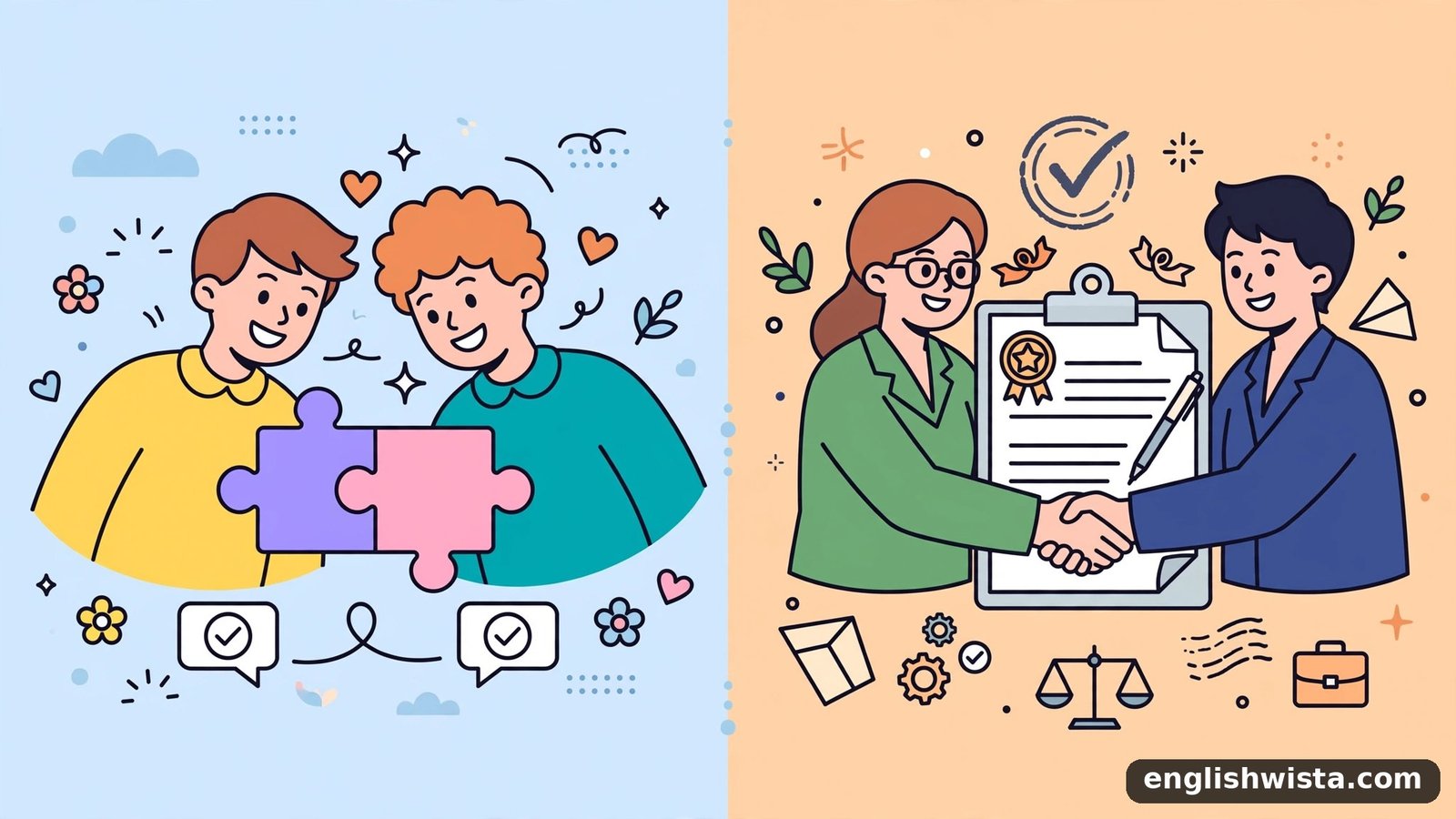
So, there you have it the mystery of agreeance vs agreement solved! Both words mean the state of agreeing, but only one has stood the test of time. Agreement is the word you should stick with, while agreeance is more like a historical cousin that sometimes shows up for special occasions.
The next time you hear someone use “agreeance,” you’ll know exactly what it means and you’ll also know that “agreement” is the word most people prefer. Language can be tricky, but with simple rules like this, it gets much easier to navigate.
And here’s the best part: now, whenever you’re in agreement with someone, you can smile knowing you’ve mastered not just the meaning, but also the history of the word itself.