“Lightning struck the tree” or “lightening struck the tree”? One is an electric bolt — the other means making something lighter! You are not alone: lightning and lightening differ by a single E. Today, we will explain exactly what lightning vs lightening means, with a simple trick to remember them forever.
What Is the Simple Difference?
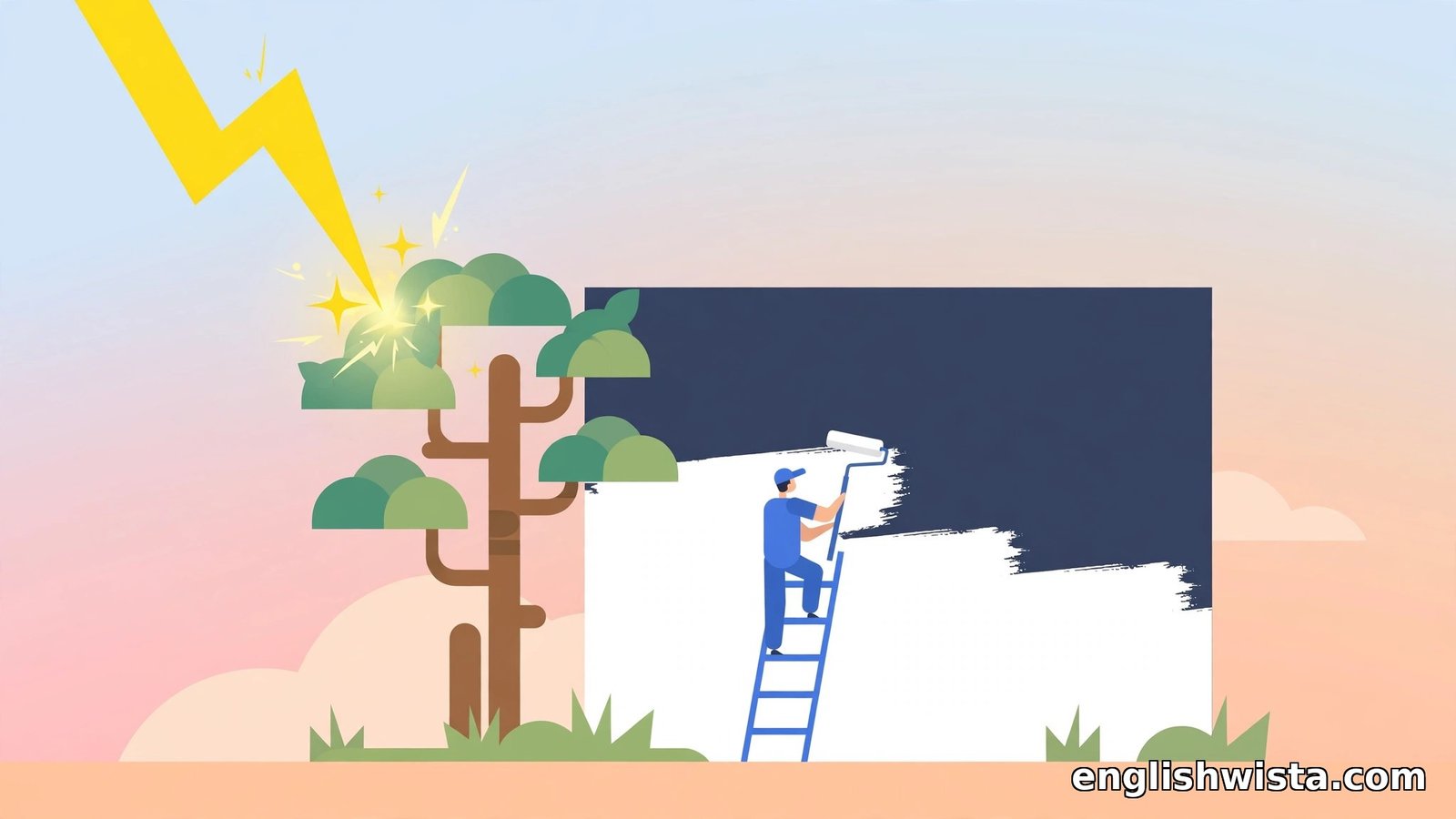
Lightning is a noun — the bright electric bolt in a storm.
Lightening is a verb form — making something lighter in weight or color.
- Lightning = the electric bolt (storm).
- Lightening = making lighter (weight or color).
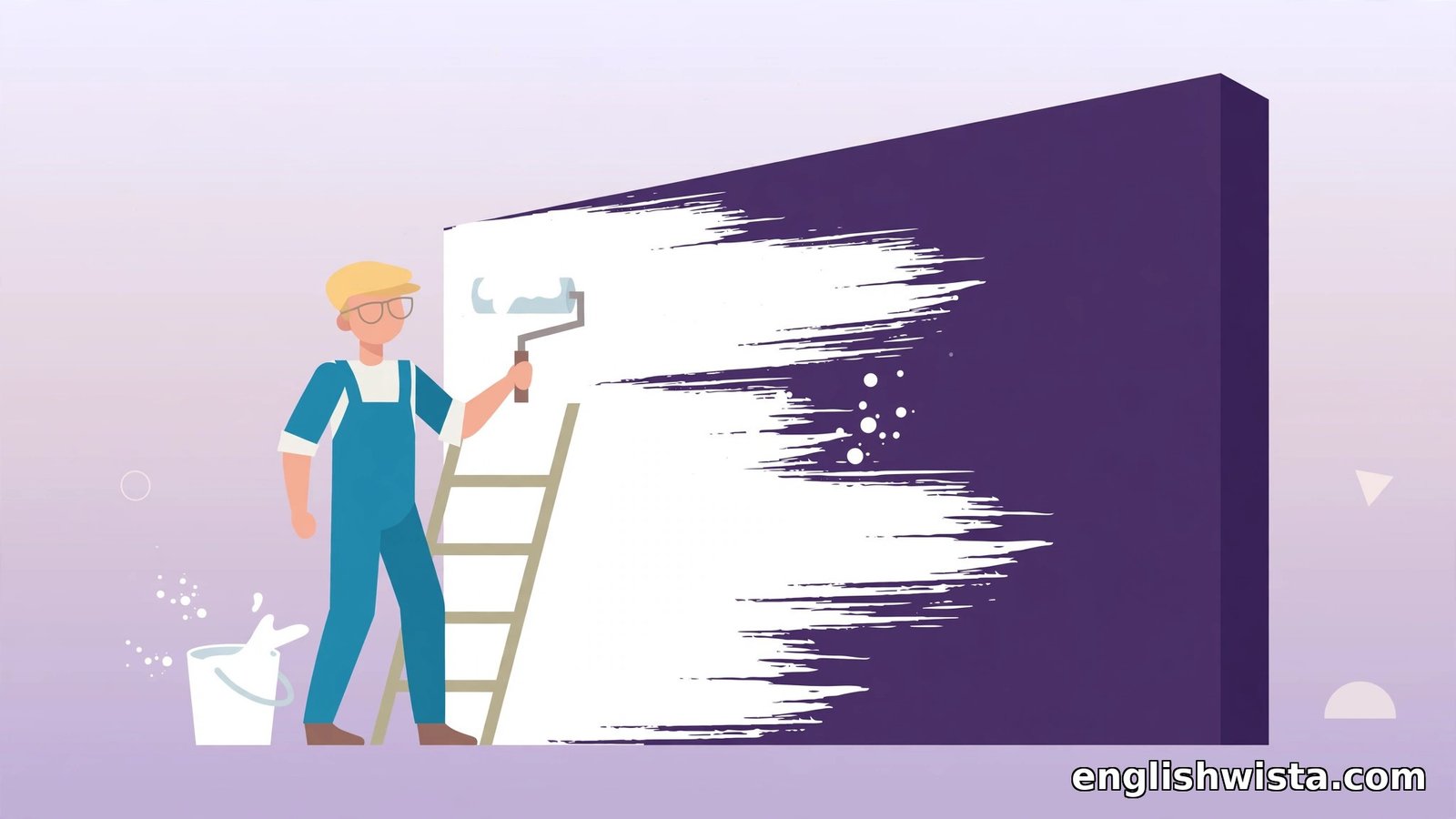
Think of it this way: lightning strikes in storms; painters are lightening the wall’s color.
Lightning: The Storm Word
Lightning is the flash of electricity in the sky during a thunderstorm.
- “Lightning struck the old tree.”
- “We saw lightning and heard thunder.”
- “The lightning lit up the night sky.”
If it is the electric bolt from the sky, it is lightning — the shorter word, no E after the N.
Lightening: The Making-Lighter Word
Lightening (from “lighten”) means making something less heavy or less dark.
- “She is lightening her hair for summer.” (color)
- “They are lightening the load.” (weight)
- “Lightening the room made it cheerful.” (brightness)
If it means making something lighter, it is lightening — the longer word with the extra E.
The Easy Trick to Remember
- Lightning is shorter — because lightning strikes FAST! It drops the E.
- Lightening is longer — because making things lighter takes time. It keeps the E from “lighten.”
- Fast bolt = short word. Slow change = long word.
Lightning strikes fast, so it drops the E. Lightening takes time, so it keeps the E. That is the whole trick!
Example Pairs
- Lightning: “Lightning flashed twice.” / Lightening: “She is lightening the curtains.”
- Lightning: “Fear the lightning.” / Lightening: “Lightening the bag helped.”
- Lightning: “A lightning bolt hit.” / Lightening: “He is lightening his mood.”
Common Mistakes to Avoid
Mistake 1: Writing “lightening” for the storm bolt.
- Wrong: “Lightening hit the house.”
- Right: “Lightning hit the house.”
Mistake 2: Writing “lightning” for making lighter.
- Wrong: “She is lightning her hair.”
- Right: “She is lightening her hair.”
Mistake 3: “Lightening bug” vs “lightning bug.” The glowing insect is a lightning bug (also called a firefly) — the fast flash, not the making-lighter!
Frequently Asked Questions
What is the verb form of “lightning”? There isn’t one — “lightning” is only a noun. “Lighten” is the verb for making lighter.
Can “lightening” mean less heavy? Yes — “lightening the load” means making it lighter in weight.
How do you pronounce them? Lightning: “LIGHT-ning.” Lightening: “LIGHT-un-ing” — one extra syllable.
Mini Quiz: Test Yourself
Choose the best answer for each question.
- 1. ______ struck during the storm.
- 2. She is ______ the wall’s color.
- 3. Which word is shorter — like a fast strike?
- 4. True or false: “Lightening bug” is the correct spelling.
- 5. “______ the mood” — make it brighter.
Answers: 1. Lightning 2. lightening 3. lightning 4. False — it is “lightning bug” 5. Lightening
Quick Recap
- Lightning = the electric storm bolt (short word, fast strike).
- Lightening = making lighter in weight or color (long word, slow change).
- Trick: fast bolt drops the E; slow change keeps it.
- “Lightning bug” is the insect — never “lightening bug.”
Conclusion
So, lightning vs lightening: lightning is the electric bolt of a storm, while lightening means making something lighter. Remember the fast strike drops the E, and you will never mix them up again!