Do you ever write “wish” and wonder if it should be “hope”? You are not alone! Both look at the future with longing — but one believes it can happen and the other knows it probably cannot. Today, we will clear it up once and for all with the reality scale.
What Is the Simple Difference?
Here is the short answer you can use almost every time:
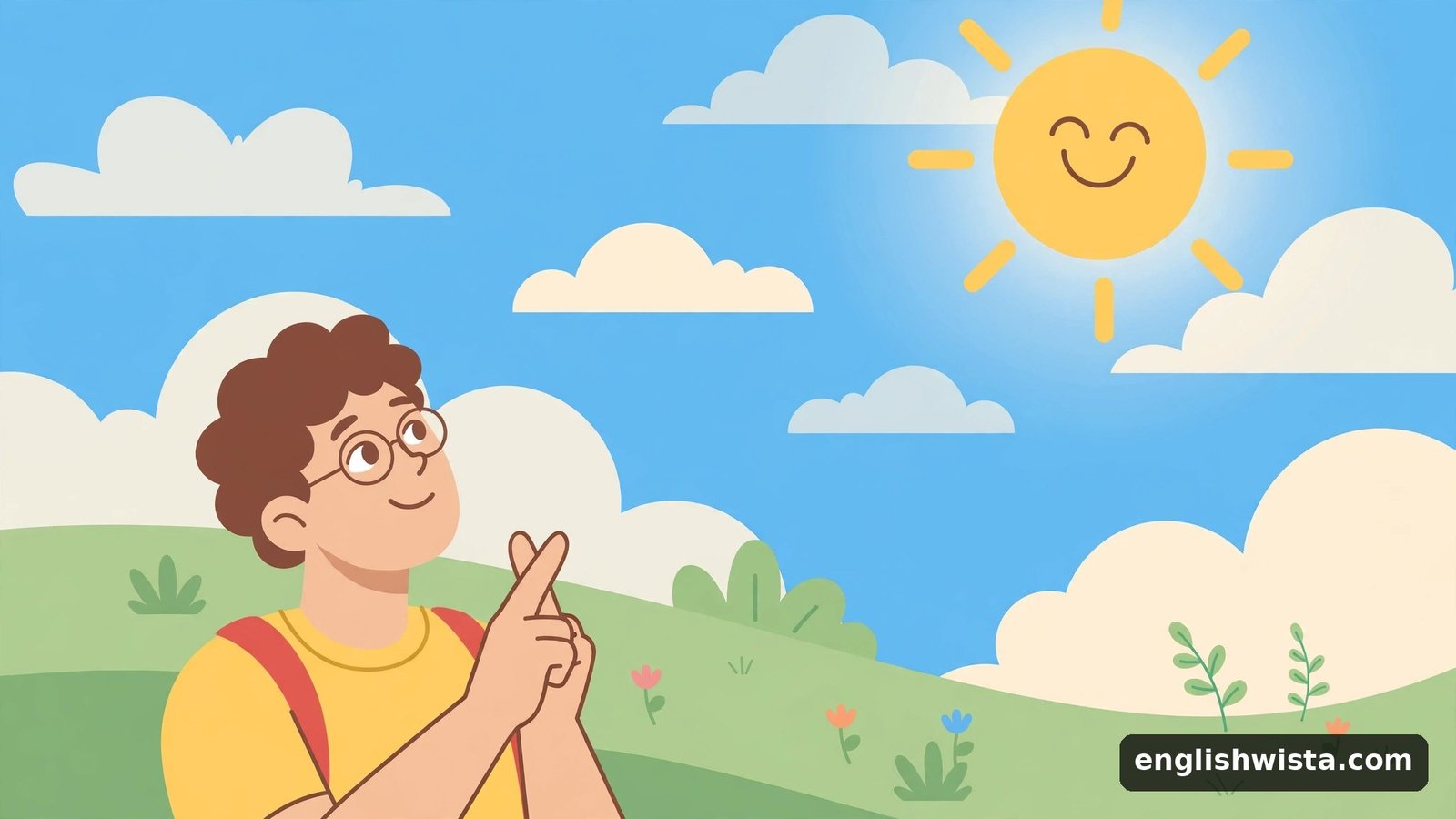
- Hope = wanting something that is possible — with real expectation. (“I hope it rains” — it might!)
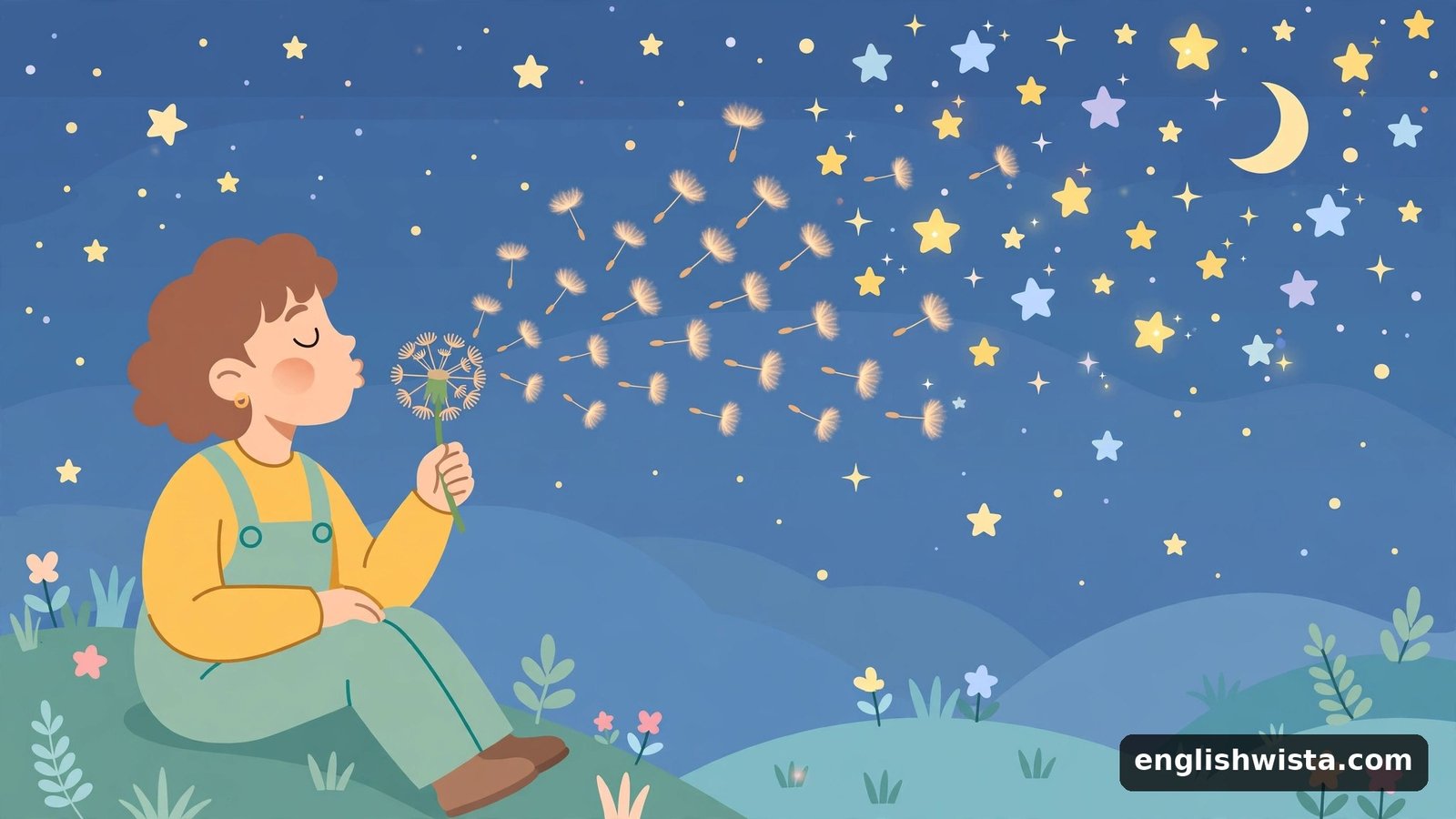
- Wish = wanting something unreal, unlikely, or impossible — with regret or fantasy. (“I wish I could fly.”)
Think of it this way: hope looks forward; wish looks sideways at a dream.
Hope: Possible Futures
Use hope when the outcome could really happen — you expect it might.
- I hope you pass the exam. (Possible!)
- We hope for good weather. (It might come.)
- She hopes to visit Paris. (A real plan.)
- Hope for the best. (Optimism about reality.)
If it could happen, it is hope.
Wish: Dreams and Regrets
Use wish for things that are unlikely, impossible, or already past — fantasy and regret live here.
- I wish I were rich. (Fantasy — I’m not.)
- She wishes she had studied harder. (Regret — the past can’t change.)
- Wish upon a star. (Magic thinking!)
- I wish you were here. (You’re not — sadness.)
If it can’t or didn’t happen, it is wish.
The Easy Trick to Remember
Here is a trick that never fails — the reality check:
- Could it really happen? → hope.
- Is it a dream, a regret, or magic? → wish.
Try it:
- “I hope the bus comes soon.” — possible! Correct!
- “I wish the bus would teleport me.” — fantasy! Correct!
Possible = hope. Impossible = wish. That is the whole secret!
Hope vs Wish in Example Sentences
Let us look at real-life pairs side by side:
- I hope I get the job. (I applied — it could happen.) / I wish I had the job already. (I don’t — fantasy.)
- We hope for sunshine. / We wish for a time machine.
In each pair, hope is grounded and wish floats free.
Common Mistakes to Avoid
Mistake 1: “Wish” for realistic plans.
- Loose: “I wish to pass tomorrow.” (Sounds like a fairy godmother is needed!)
- Right: “I hope to pass tomorrow.” (A real possibility!)
Mistake 2: “Hope” for the impossible past.
- Wrong: “I hope I had studied.” (The past is fixed!)
- Right: “I wish I had studied.” (Regret grammar: wish + past perfect!)
Mistake 3: Forgetting “wish” grammar. Wish about the present uses past tense (“I wish I were taller” — subjunctive “were,” not “was,” in formal English!). Wish about the past uses past perfect (“I wish I had gone“). Hope keeps normal tenses (“I hope it rains“).
Frequently Asked Questions
What about “I wish you a happy birthday”? The polite exception! Wish + noun = a greeting formula: “I wish you luck/success.” Here wish means “I offer you good things” — a set phrase, not fantasy.
Can “hope” be a noun too? Yes: “There is still hope.” Wish is also a noun: “Make a wish!” Both nouns keep their meanings: hope = grounded expectation; wish = dream.
What is “hopefully”? “Hopefully, it won’t rain” = “I hope it won’t rain” — the adverb of hope. Careful writers note it technically means “in a hopeful manner,” but the sentence-adverb use is now standard.
How are they pronounced? Hope = “hohp”; wish = “wish” (short i, like “fish” without the f).
Mini Quiz: Test Yourself
Choose hope or wish for each sentence.
- 1. I _____ you feel better soon.
- 2. I _____ I could fly like a bird.
- 3. She _____ to become a doctor one day.
- 4. I _____ I had listened to you. (regret)
- 5. We _____ for rain this weekend. (it might come)
Answers: 1. hope (possible recovery) 2. wish (fantasy) 3. hopes (real plan) 4. wish (past regret) 5. hope (possible)
Quick Recap
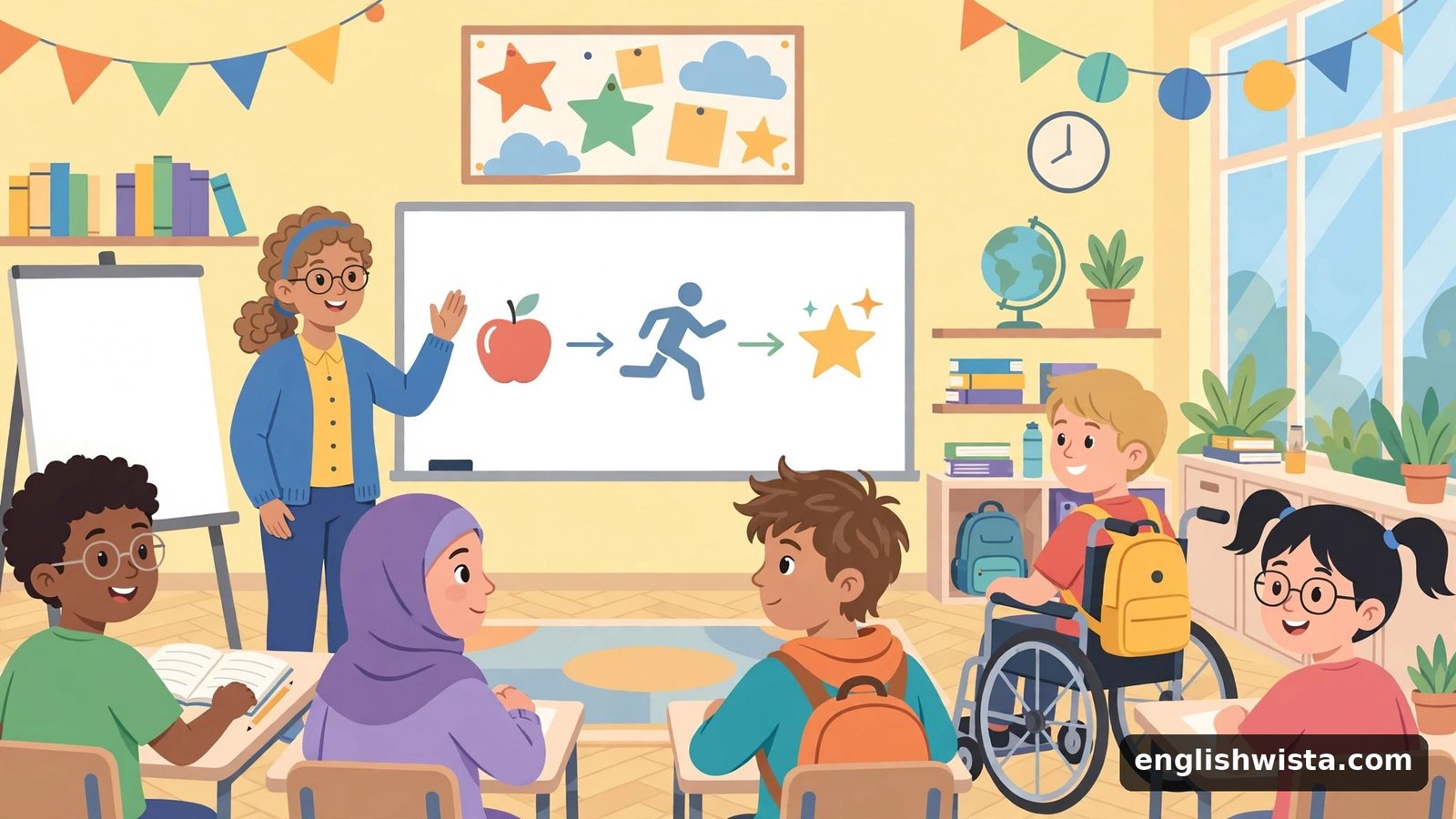
- Hope = possible future, real expectation.
- Wish = unreal, unlikely, or past regret.
- Reality check: possible = hope; fantasy = wish.
- Wish grammar: present → past (“were”); past → past perfect (“had gone”).
- “Wish you luck” is a polite formula exception.
Conclusion
So, hope or wish? Now you know: hope believes it might happen, and wish dreams of what cannot. With the reality check in your pocket, you will never mix them up again. Keep practicing with real sentences, and soon the right word will come to you automatically!