
“The book was censored” or “The book was censured”? These two words differ by one letter but mean very different things. You are not alone! Today, we will explain exactly what censor vs censure means, with a simple trick to remember it forever.
What Is the Simple Difference?
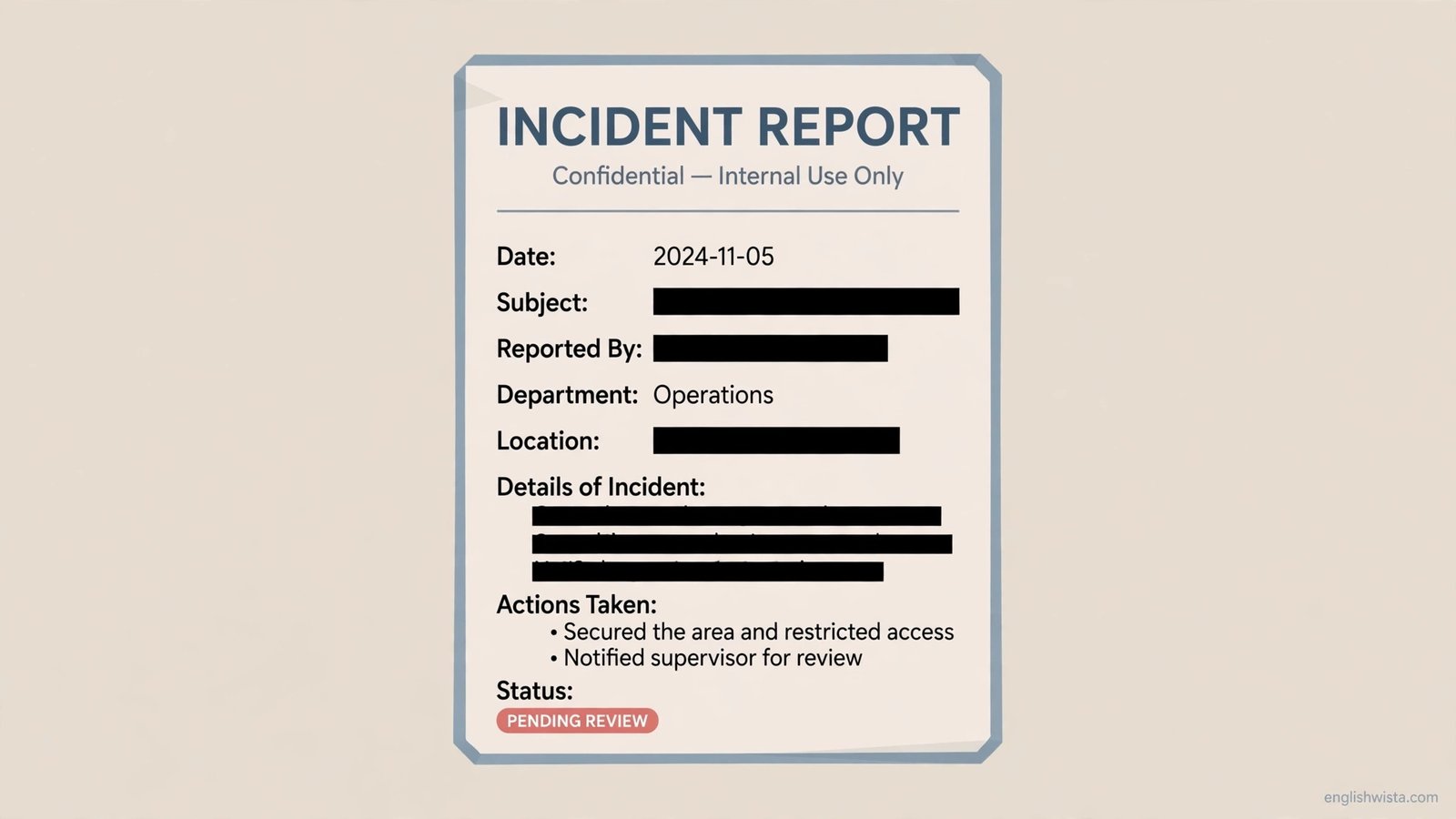
Censor is a verb — to cut, ban, or remove parts of a book, film, or speech.
Censure is a verb (also a noun) — to strongly criticize or formally condemn someone’s actions.
- Censor = cut or ban (remove).
- Censure = criticize or condemn (blame).
Think of it this way: you censor words, but you censure people.
Censor: To Cut or Ban
Censor means to remove or block words, scenes, or ideas — usually by an authority.
- “The government censored the newspaper.”
- “Bad words were censored from the movie.”
- “A censor reviewed the film before release.” (noun: the person)
If it is about cutting or hiding content, it is censor — no U.
Censure: To Strongly Criticize
Censure means to express strong disapproval or formally blame someone.
- “The committee censured the senator for his behavior.”
- “She received a vote of censure.” (noun: the formal blame)
- “The report censured the company for pollution.”
If it means blaming or condemning someone, it is censure — the one with the U.
The Easy Trick to Remember
- Censure has a U — and u are the one being blamed!
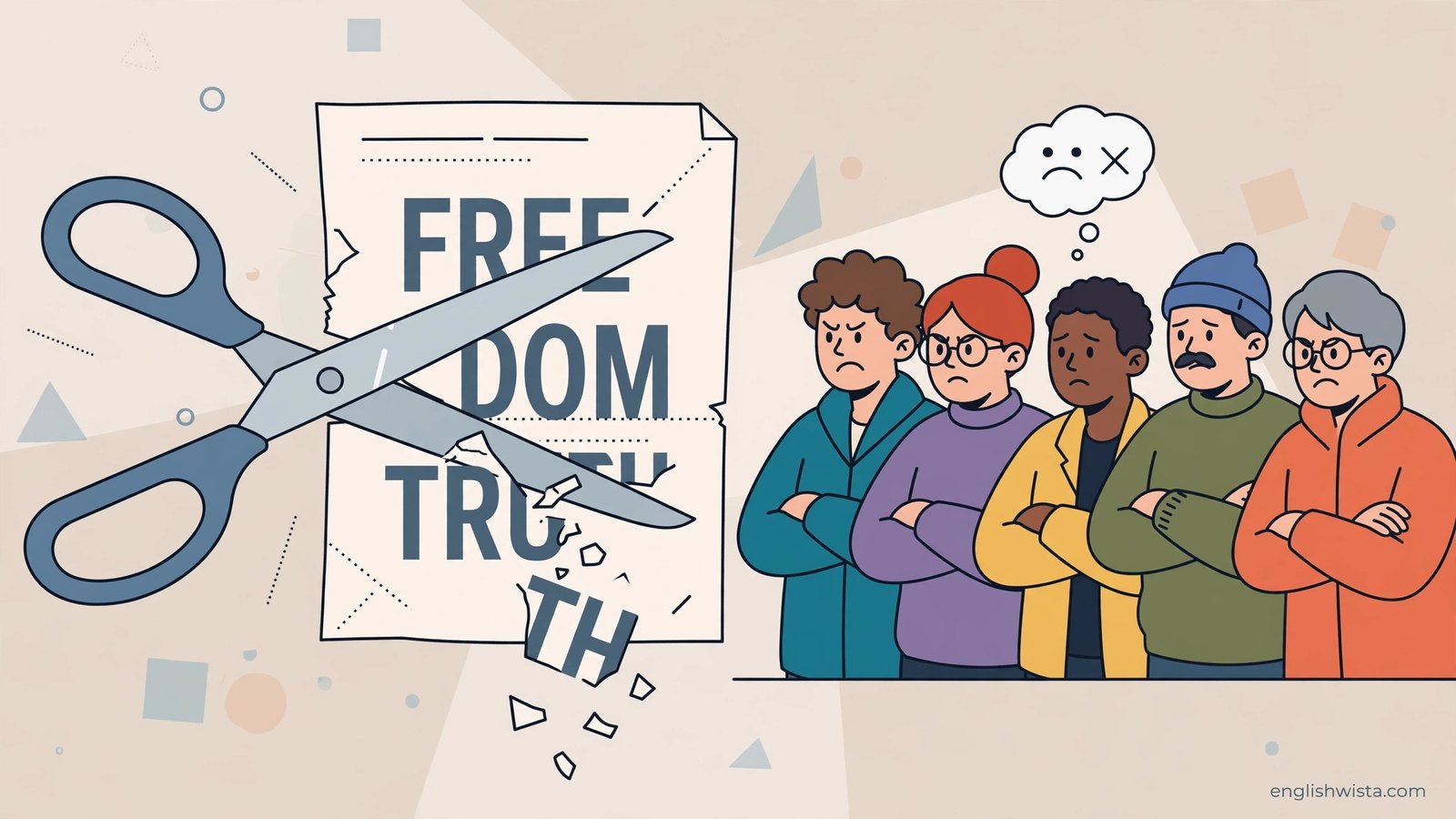
- Censor has no U — think “scissors cut,” both without the blame.
Censor = cut the content. Censure = blame the person (with U for “you”). That is the whole trick!
Example Pairs
- Censor: “They censored the violent scene.” / Censure: “They censured the director for the violence.”
- Censor: “The letter was censored by officials.” / Censure: “The officials were censured for lying.”
- Censor: “Some books are censored in schools.” / Censure: “The teacher was censured for breaking the rules.”
Common Mistakes to Avoid
Mistake 1: Writing “censure” when you mean cutting content.
- Wrong: “The film was censured for bad language.”
- Right: “The film was censored for bad language.”
Mistake 2: Writing “censor” when you mean blaming someone.
- Wrong: “The mayor was censored for corruption.”
- Right: “The mayor was censured for corruption.”
Mistake 3: Thinking “censure” is always a verb. It is also a noun: “a vote of censure” means a formal act of blaming. “Censor” is also a noun — the person who does the cutting.
Frequently Asked Questions
What is the noun for “censor”? “Censor” itself — the person or office that cuts content. “Censorship” is the practice of censoring.
Is “censure” common in daily speech? It is more formal, often used in politics and law. In casual talk, people say “criticized” instead.
How do you pronounce them? “Censor” is SEN-ser; “censure” is SEN-sher. Listen for the “sh” sound in “censure.”
Mini Quiz: Test Yourself
Choose the best answer for each question.
- 1. The violent scenes were ______ from the show.
- 2. The council ______ the mayor for misconduct.
- 3. Which word means “to strongly criticize”?
- 4. True or false: “The book was censured” means parts were removed.
- 5. Which word contains the letter U?
Answers: 1. censored 2. censured 3. censure 4. False — “censored” means parts were removed 5. censure
Quick Recap
- Censor = cut, ban, or remove content (no U).
- Censure = strongly criticize or formally blame someone (U for “you”).
- Trick: you censor words, you censure people.
- “Censor” is also the person; “censure” is also the formal blame.
Conclusion
So, censor vs censure: censor the content, censure the person. Remember the U for “you” being blamed, and you will never mix them up again!