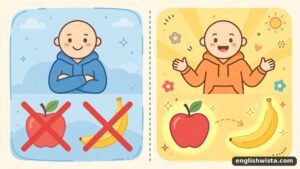
“He walked on bare feet” or “he walked on bear feet”? You are not alone! Bare and bear sound exactly the same but mean very different things. Today, we will explain exactly what bare vs bear means, with a simple trick to remember them forever.
What Is the Simple Difference?
Bare is an adjective — it means naked, uncovered, or empty.
Bear is a noun/verb — a large animal, or the verb meaning to carry or endure.
- Bare = nothing covering it (empty, naked).
- Bear = the animal, or to carry/endure.
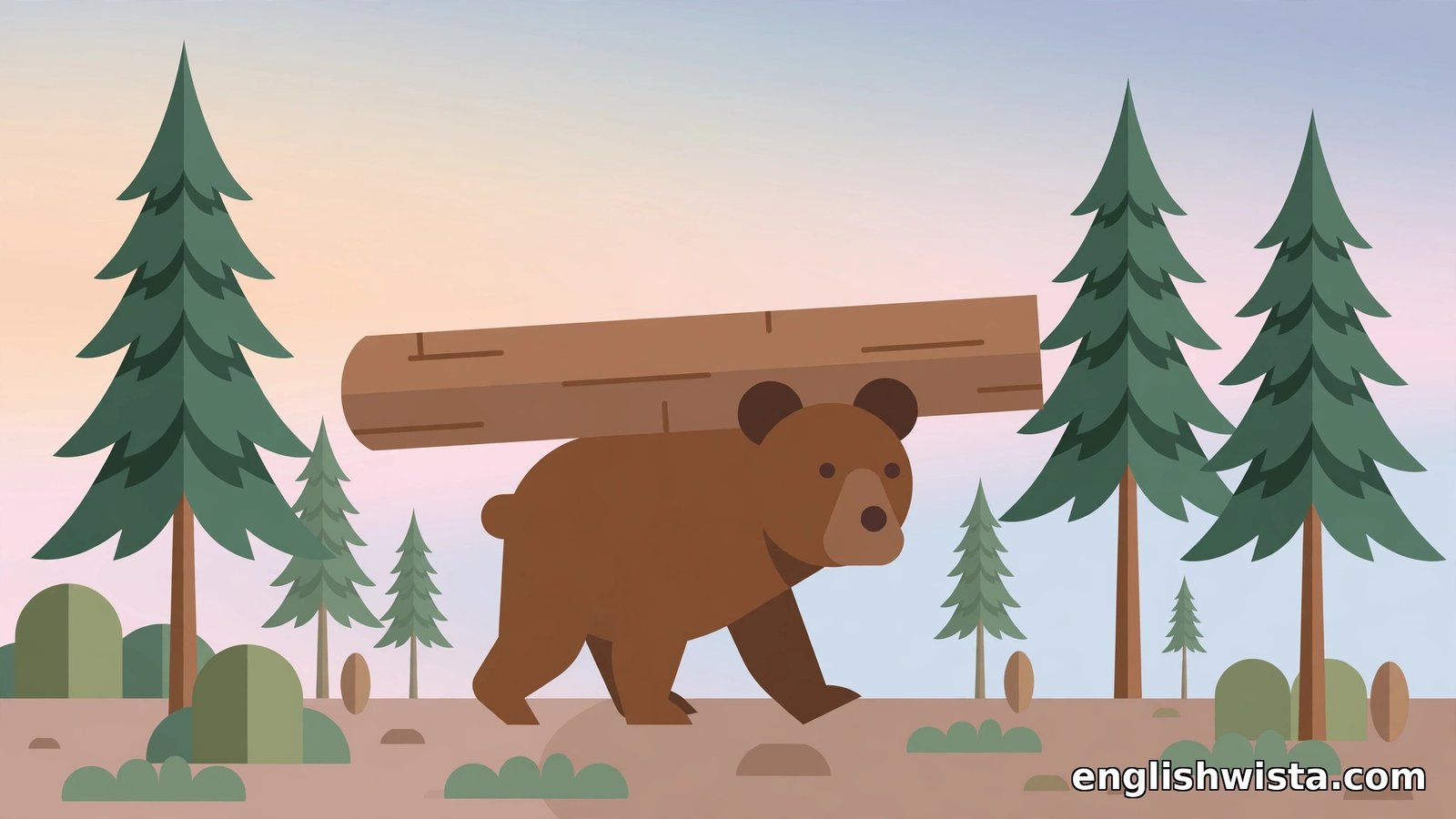
Think of it this way: bare feet have no shoes; a bear can bear (carry) heavy things.
Bare: The Naked or Empty Word
Bare means uncovered, naked, or with nothing on it — from “bared” (stripped).
- “She walked on the bare floor.” (no carpet)
- “The walls were bare — no pictures at all.”
- “He picked the fruit with his bare hands.” (no gloves)
If it means empty, uncovered, or stripped, it is bare — the one with the extra E at the end.
Bear: The Animal or the Carrying Word
Bear is the big furry animal — and also a verb meaning to carry, support, or endure.
- “We saw a bear in the mountains.”
- “I cannot bear this noise!” (endure)
- “The bridge can bear the weight.” (carry)
If it is the animal or means to carry or endure, it is bear — the one with the animal E-A-R.
The Easy Trick to Remember
- Bare sounds like “air” — bare skin is exposed to the AIR. Bare ends with the extra E.
- Bear has EAR — bears have EARS! And you can “bear” (endure) something heavy, like a bear carrying weight.
- Bear with me = be patient with me (endure).
Air = bare (exposed). Ears = bear (the animal). That is the whole trick!
Example Pairs
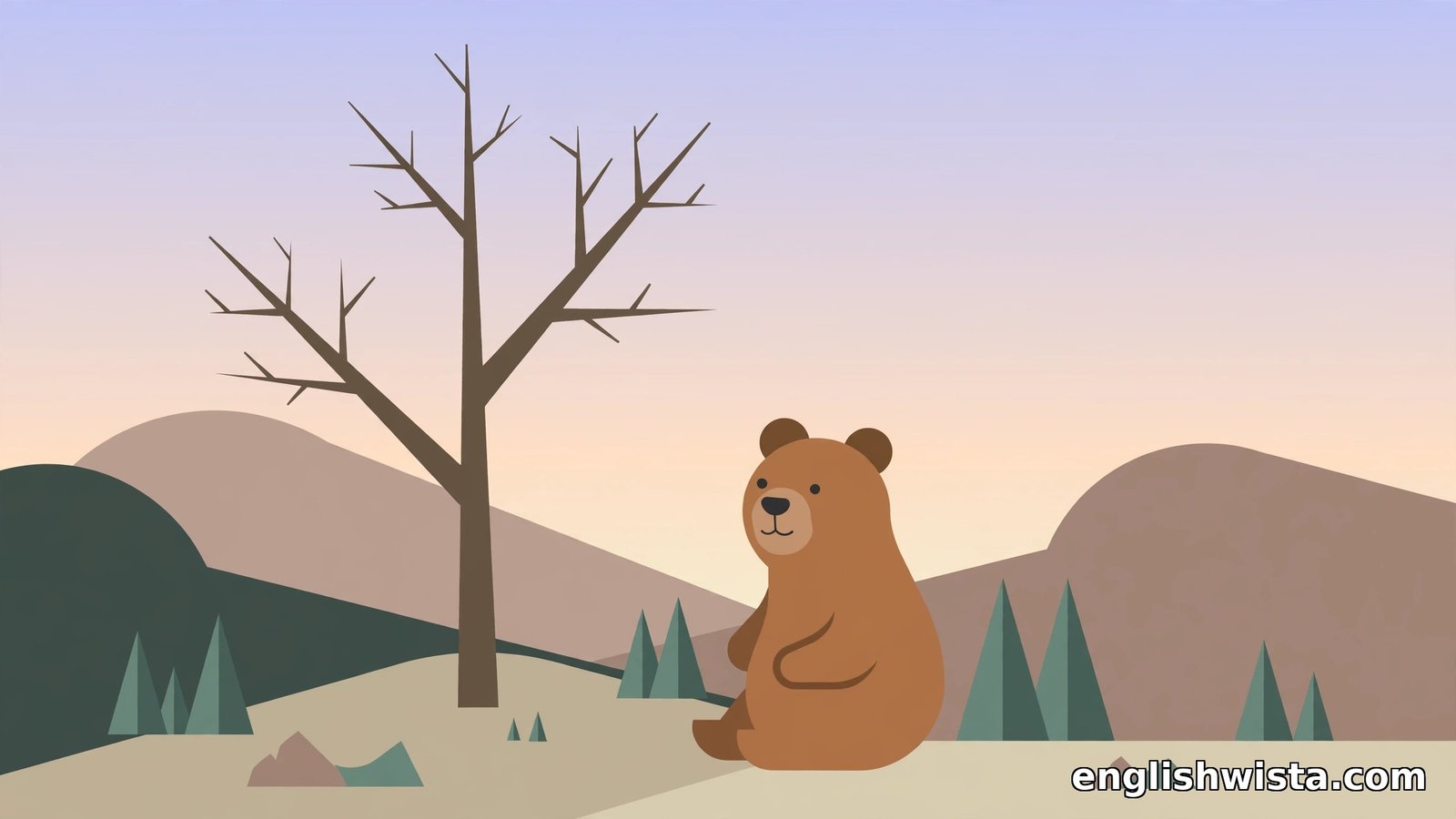
- Bare: “The tree was bare in winter.” / Bear: “A bear lives in the cave.”
- Bare: “He told the bare truth.” / Bear: “She could not bear the pain.”
- Bare: “The cupboard was bare.” / Bear: “Polar bears love the cold.”
Common Mistakes to Avoid
Mistake 1: Writing “bear” for empty.
- Wrong: “The room was bear.”
- Right: “The room was bare.”
Mistake 2: Writing “bare” for the animal.
- Wrong: “A big bare ran away.”
- Right: “A big bear ran away.”
Mistake 3: Mixing up “bear with me” and “bare with me.”
- Wrong: “Bare with me for a moment.”
- Right: “Bear with me for a moment.” (be patient — endure!)
Frequently Asked Questions
What does “bear fruit” mean? It means to produce results — from “bear” as carrying. “His hard work will bear fruit.”
What is “the bare minimum”? The smallest possible amount — nothing extra, nothing covered.
Is “bear” ever an adjective? No — as a noun it is the animal; as a verb it means carry or endure. “Bare” is the adjective.
Mini Quiz: Test Yourself
Choose the best answer for each question.
- 1. She walked on the ______ floor. (no shoes)
- 2. A ______ can climb trees.
- 3. I cannot ______ this heat!
- 4. True or false: “The walls were bear” is correct for empty walls.
- 5. Which word means “exposed to the air”?
Answers: 1. bare 2. bear 3. bear 4. False — it is “bare walls” 5. bare

Quick Recap
- Bare = naked, uncovered, empty (“bare feet”).
- Bear = the animal, or to carry/endure (“bear the pain”).
- Trick: AIR = bare (exposed); EARS = bear (the animal).
- “Bear with me” = be patient with me — never “bare with me.”
Conclusion
So, bare vs bear: bare means empty or uncovered, while bear is the animal or the verb meaning to carry or endure. Remember air for bare and ears for bear, and you will never mix them up again!