Have you seen “this food is bussin” and wondered what a bus has to do with dinner? You are not alone! In slang, bussin has nothing to do with transport — it means something is really, really good. Today, we will explain exactly what bussin means, when people use it, and how to use it yourself.

What Does Bussin Mean?
Bussin means extremely good, delicious, or excellent — most often for food, but also for music, vibes, and anything great.
- It is an adjective: “This burger is bussin!”
- It comes from “busting” — as in bursting with flavor.
- It is enthusiastic, casual praise.
Think of bussin as: so good it bursts.
How People Use Bussin
People use bussin mostly while eating — and for anything that hits hard.
- “This pasta is bussin!”
- “The new album is bussin.”
- “That party was bussin.”
- “No cap, this sauce is bussin.”
It is usually written in lowercase (bussin, sometimes “bussin'”).
Bussin in Example Sentences
Let us look at how it sounds in real conversations:
- A: “Try this!” B: “Whoa — this is bussin!”
- “Mom’s cooking is always bussin.”
- “The tacos from that truck? Bussin.”
- “This beat is bussin.” (Music, not food!)
Notice how bussin always means top-tier good.
Where Did Bussin Come From?
Bussin traveled from Southern US slang to global TikTok:
- African American Vernacular English: “bussin” (from “busting”) = excellent, hitting hard — used for years in Southern hip-hop.
- 2020-2021: TikTok food reviewers (notably Janelle Rohner) make “bussin” go viral with food reactions.
- Today: mainstream slang for anything delicious or great.
Fun fact: “bussin” is pronounced with a double S and a swallowed G — “BUS-in” — and food TikTok made it the sound of a good meal.
Bussin vs Similar Praise
How does bussin compare with its cousins?
- Bussin: extremely good, especially food.
- Fire: excellent, top quality (general).
- Slaps: hits hard, especially music (“this song slaps”).
- Delicious: the plain word for tasty food.
If the food is bursting with flavor, it’s bussin.
Common Mistakes to Avoid
Mistake 1: Using “bussin” for bad things. Bussin is only positive. A bad meal is “bussin” never — try “mid” (mediocre) instead!
Mistake 2: Using it in formal writing.
- Wrong: “The restaurant’s bussin menu impressed critics. — in a food review”
- Right: “The restaurant’s outstanding menu impressed critics.”
Mistake 3: Confusing “bussin” with “busing.” Busing (one S) = transporting by bus. Bussin (two S’s, slang) = excellent. Spelling matters — one letter changes dinner into a school trip!
Frequently Asked Questions
Is “bussin” only for food? Mostly food — but it stretches to music, parties, and anything great. Food is its home turf.
What does “bussin bussin” mean? The doubled form = extra emphasis: “bussin bussin” = REALLY bussin. Repetition turns the volume up.
Can “bussin” describe people? Playfully: “She’s bussin” usually means her look or energy is great — but the food meaning dominates. Use with care!
How do you pronounce it? “BUS-in” — stress the first syllable, soft ending, no hard G.

Mini Quiz: Test Yourself
Choose the best answer for each question.
- 1. What does “bussin” mean?
- 2. What is bussin most often used for?
- 3. A friend tastes your curry and says “bussin!” That means…?
- 4. True or false: bussin can mean bad.
- 5. What platform made bussin go viral in 2021?
Answers: 1. Extremely good/excellent 2. Food 3. It’s delicious 4. False — only positive 5. TikTok
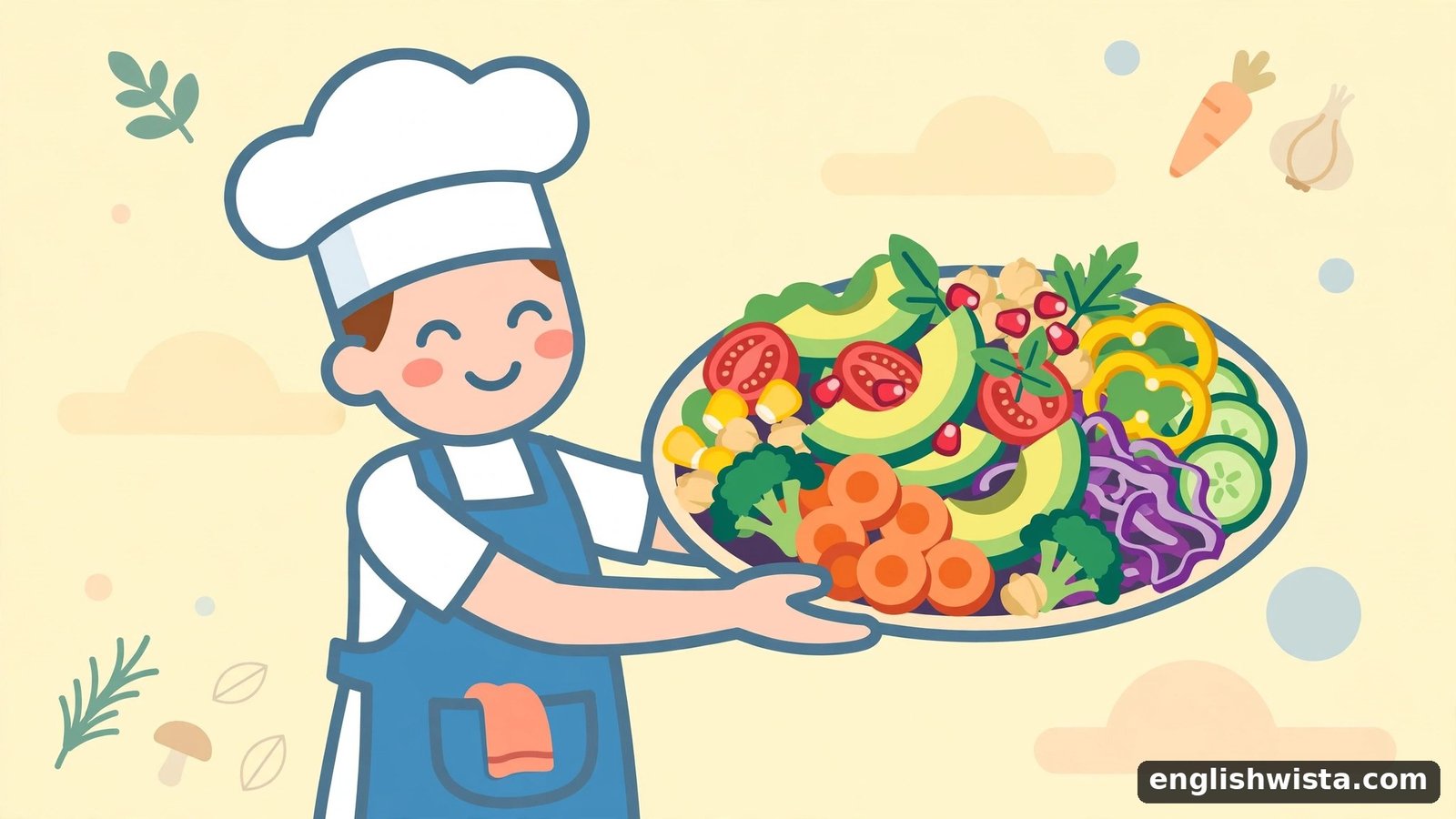
Quick Recap
- Bussin = extremely good, especially delicious.
- From “busting” (bursting), via Southern hip-hop and TikTok food culture.
- Doubled “bussin bussin” = extra emphasis.
- Don’t confuse with “busing” (bus transport).
- Keep it casual — “outstanding” for formal writing.
Conclusion
So, what does bussin mean? So good it bursts. Now you know where it came from, how to use it, and why your dinner deserves the word. May your meals always be bussin!