Do you ever write “eminent” and wonder if it should be “imminent”? You are not alone! These two differ by just one letter at the start — E vs I — but one describes a famous person and the other warns that something is about to happen. Today, we will clear it up once and for all with a simple rule and easy examples you can actually remember.

What Is the Simple Difference?
Here is the short answer you can use almost every time:
- Eminent (E) = famous and respected — used for distinguished people.
- Imminent (I) = about to happen — used for events that are coming very soon.
Think of it this way: an eminent scientist warns of imminent danger.
Eminent: Famous and Respected
Use eminent to describe a person of high rank, fame, or achievement.
- An eminent surgeon spoke at the conference. (A famous one.)
- She is an eminent historian. (Highly respected.)
- Eminent scientists signed the letter. (Distinguished ones.)
- The award went to an eminent writer. (A celebrated one.)
If it praises a person’s standing, it is eminent.
Imminent: About to Happen
Use imminent for an event that is about to occur — usually something serious or dangerous.
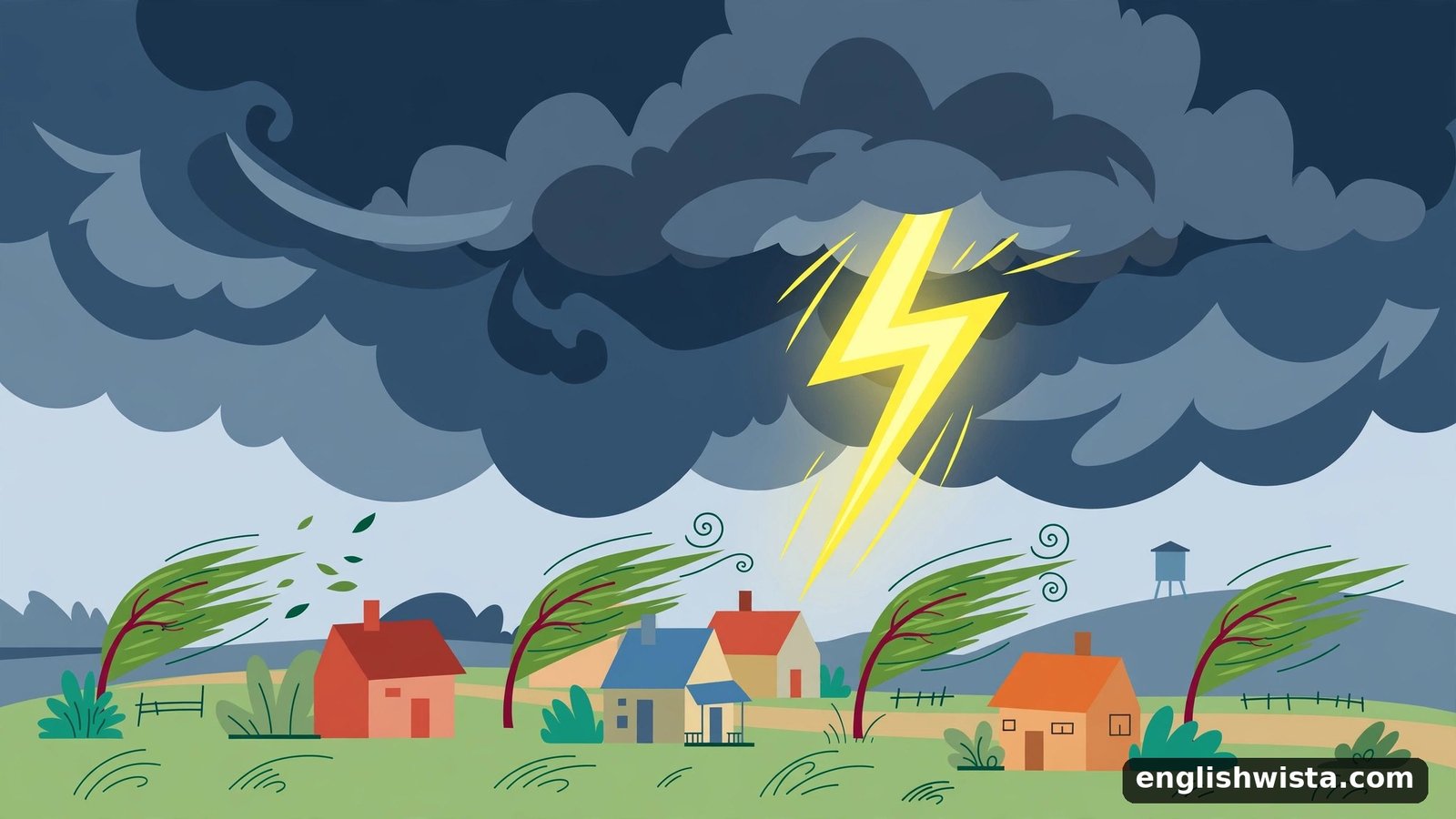
- A storm is imminent. (About to hit.)
- Danger seemed imminent. (Coming any moment.)
- The company’s collapse is imminent. (About to happen.)
- His arrival is imminent. (He’ll be here any minute.)
If it means “any moment now,” it is imminent.
The Easy Trick to Remember
Here is a trick that never fails:
- Eminent starts with E — Excellent, Esteemed person.
- Imminent starts with I — Immediate, happening right now-ish.
Try it:
- “An eminent professor.” — an excellent person! Correct!
- “Rain is imminent.” — immediate event! Correct!
Excellent person = eminent. Immediate event = imminent. That is the whole secret!
Eminent vs Imminent in Example Sentences
Let us look at real-life pairs side by side:
- The eminent doctor warned that the epidemic was imminent.
- An eminent judge retired. / The verdict’s announcement was imminent.
In each pair, eminent = distinguished person and imminent = about to happen.
Common Mistakes to Avoid
Mistake 1: “Eminent” for approaching events.
- Wrong: “A storm is eminent.”
- Right: “A storm is imminent.” (About to happen!)
Mistake 2: “Imminent” for famous people.
- Wrong: “An imminent scientist won the prize.”
- Right: “An eminent scientist won the prize.” (Distinguished!)
Mistake 3: The third sibling — “immanent.” Philosophy uses immanent (with A) for something inherent/dwelling within (“God is immanent in nature”). Rare — but now you know the family has three members!
Frequently Asked Questions
What is “eminent domain”? The government’s power to take private land for public use — spelled eminent (from its “high/supreme” authority sense).
Can “eminent” describe things, not people? Rarely — mostly people. For things, its older sense “high/projecting” survives in formal phrases, but everyday usage = distinguished people.
Is “imminent” always negative? Mostly it pairs with danger, storms, and deadlines — but “imminent arrival” or “imminent release” can be neutral or exciting.
How are they pronounced? Identically, for most speakers: “EM-in-ent” vs “IM-in-ent” — the first vowel is the only tiny difference, and many people merge them. Spelling carries the meaning.
Mini Quiz: Test Yourself
Choose eminent or imminent for each sentence.
- 1. An _____ author will sign books today.
- 2. Dark clouds mean rain is _____.
- 3. The _____ judge is known worldwide.
- 4. Evacuate — the flood is _____!
- 5. _____ domain allows the road project.
Answers: 1. eminent (famous person) 2. imminent (about to happen) 3. eminent (respected person) 4. imminent (about to happen) 5. Eminent (fixed legal phrase)
Quick Recap
- Eminent (E) = famous, respected person (Excellent).
- Imminent (I) = about to happen (Immediate).
- Bonus sibling: immanent (A) = inherent, in philosophy.
- “Eminent domain” = government’s land power.
- Person → eminent. Event → imminent.
Conclusion
So, eminent or imminent? Now you know: eminent people are excellent and esteemed, while imminent events are immediate. With the E/I trick in your pocket, you will never mix them up again. Keep practicing with real sentences, and soon the right word will come to you automatically!