Do you ever write “personal” and wonder if it should be “personnel”? You are not alone! These two look very similar, but one means private and the other means staff. The difference is in the ending — and in the stress. Today, we will clear it up once and for all with a simple rule and easy examples you can actually remember.
What Is the Simple Difference?
Here is the short answer you can use almost every time:
- Personal = an adjective meaning private, belonging to one person.
- Personnel = a noun meaning the people who work for an organization (staff, employees).
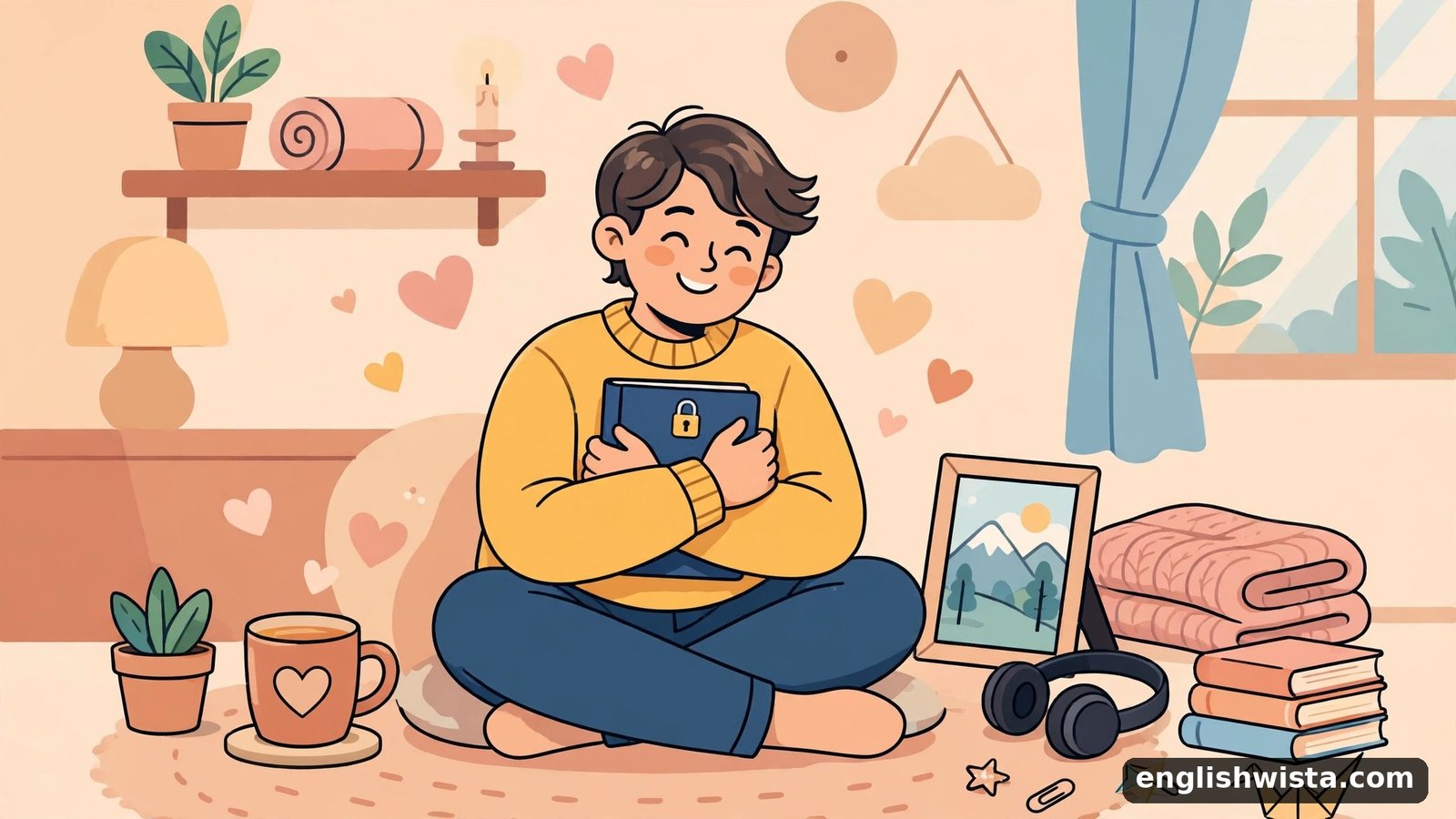
Think of it this way: your personal diary is private; the company’s personnel are its people.
Personal: Private (Adjective)
Use personal to describe things that are private or individual — it goes before nouns.
- This is my personal laptop. (Private, mine.)
- Don’t ask personal questions. (Private questions.)
- She keeps a personal diary. (Her private journal.)
- He took it as a personal insult. (Directed at him personally.)
If it means private/individual, it is personal.
Personnel: The Staff (Noun)
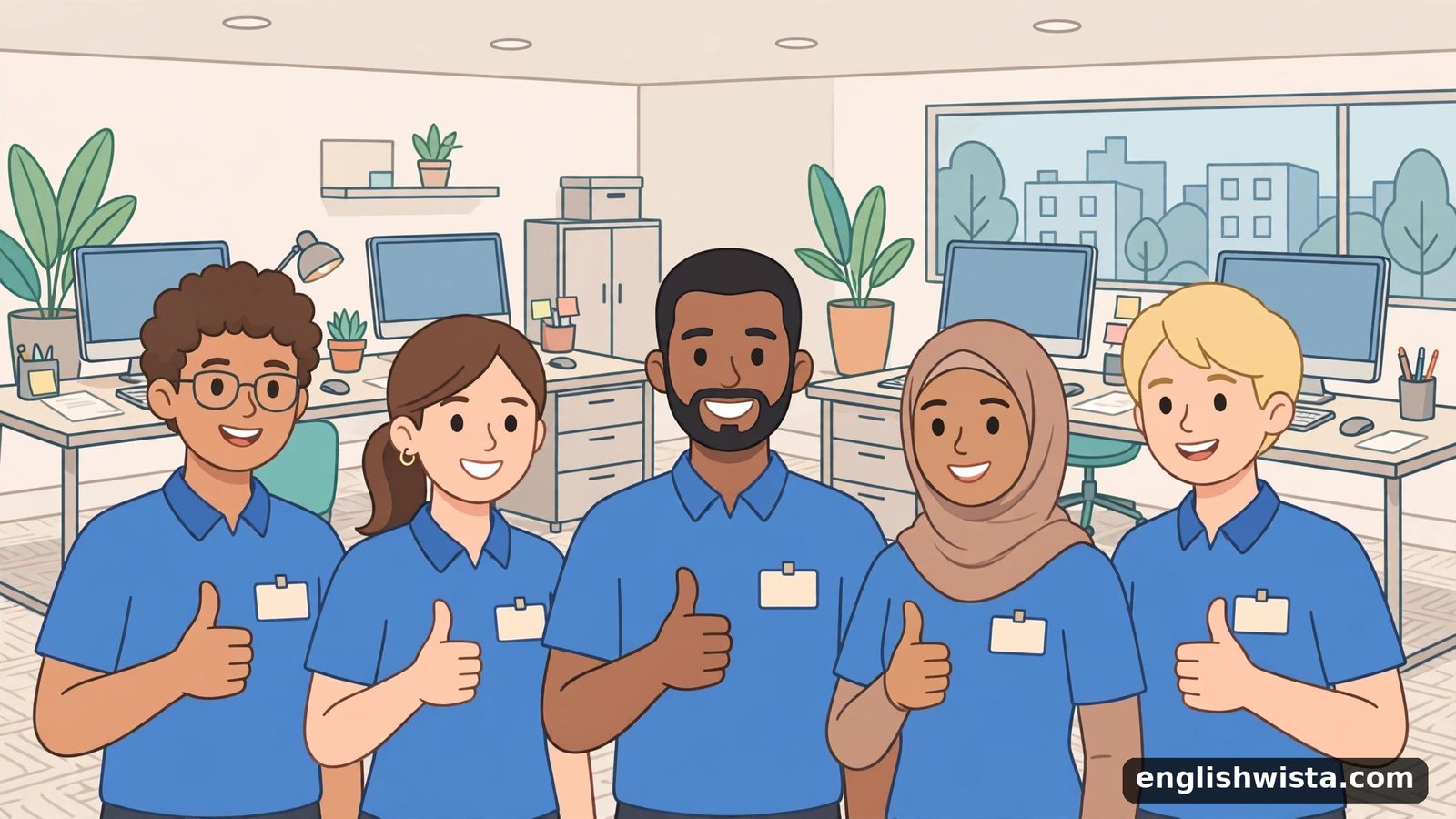
Use personnel for employees as a group — the people who work somewhere.
- All personnel must attend training. (All staff.)
- Military personnel returned home. (Service members.)
- The personnel department handles hiring. (HR — staff matters.)
- Only authorized personnel may enter. (Only staff.)
If it means the people who work there, it is personnel.
The Easy Trick to Remember
Here is a trick that never fails:
- Personnel ends in -el — like employees! Personnel = people employed.
- Personal ends in -al — like alone (just you, private).
Also use the ear test: personal stresses the first part (PER-son-al); personnel stresses the end (per-son-NEL). If the word lands heavily at the end, it’s the staff word!
Try it:
- “My personal phone.” — private! Correct!
- “All personnel report at 9.” — staff! Correct!
Private = personal. People employed = personnel. That is the whole secret!
Personal vs Personnel in Example Sentences
Let us look at real-life pairs side by side:
- Keep personal items at home. / Personnel must wear ID badges.
- A personal email account. / The personnel office sent an email.
In each pair, personal = private and personnel = staff.
Common Mistakes to Avoid
Mistake 1: “Personnel” for private things.
- Wrong: “This is my personnel opinion.”
- Right: “This is my personal opinion.” (Private view!)
Mistake 2: “Personal” for staff.
- Wrong: “Only personal may enter this area. (on a sign)”
- Right: “Only authorized personnel may enter.” (Staff!)
Mistake 3: Counting “personnels.” Personnel is already a group noun — it has no plural and no singular “a personnel.” Say “a member of the personnel” or “an employee.”
Frequently Asked Questions
Is “personnel department” the same as HR? Yes — “Personnel” was the older name for Human Resources. Modern companies usually say HR, but “personnel” survives in military and formal use.
Can “personal” ever mean staff? No — personal is always about privacy/individuality. Staff is always personnel.
What is a “personal best”? Your own best result (sports): “a new personal best.” Individual = personal.
How do the pronunciations differ exactly? Personal: “PER-suh-nul” (3 syllables, stress first). Personnel: “per-suh-NEL” (stress last, the -nel rhymes with “bell”).
Mini Quiz: Test Yourself
Choose personal or personnel for each sentence.
- 1. This is a _____ matter; please don’t share it.
- 2. All _____ must complete the safety course.
- 3. He keeps his _____ files locked.
- 4. The hospital hired more nursing _____.
- 5. That’s my _____ choice.
Answers: 1. personal (private) 2. personnel (staff) 3. personal (private) 4. personnel (staff) 5. personal (individual)
Quick Recap
- Personal = adjective: private, individual (stress first).
- Personnel = noun: staff/employees as a group (stress last).
- Personnel has no plural form.
- Signs say “Authorized personnel only.”
- -el = employees; -al = alone/private.
Conclusion
So, personal or personnel? Now you know: personal keeps things private, and personnel are the people who work there. With the ending trick in your pocket, you will never mix them up again. Keep practicing with real sentences, and soon the right word will come to you automatically!