Have you ever stopped mid-sentence, unsure whether to say mediums or media? You’re not alone. The word medium can be surprisingly tricky when it comes to plural forms. At first glance, it looks like an ordinary English word that should just take an s at the end. But then, you hear people on the news talking about “the media,” and suddenly you’re second-guessing everything.
Don’t worry we’re going to break it all down step by step. In this article, we’ll explore the plural of medium, why it has more than one form, and how to know which one to use. By the end, you’ll feel confident using this word in everyday conversation, writing, or even in a professional setting. Let’s dive in.
Word Origin and Etymology
To understand why medium has two plurals, look back at where it came from. The word entered English in the early 1600s from the Latin medium, meaning “middle” or “something in between” — the neuter form of medius (“middle”). A medium was originally anything that stood between two things: a go-between, an intervening substance, or a means of conveying something.
That “in-between” meaning is the thread connecting all its modern senses: communication media sit between a message and its audience, art mediums sit between an idea and a finished work, and a spiritual medium sits between the living and the dead. Because it arrived with its Latin grammar intact, the plural media followed the non-English -um → -a pattern — the same rule English never fully regularized. Both the Oxford English Dictionary and Merriam-Webster recognize media and mediums as correct plurals today, with usage deciding between them.
id=”Frequently_Asked_Questions”>Frequently Asked Questions
Quick answers to the questions learners ask most about the plural of medium:
What is the plural of medium?
There are two correct plural forms: media and mediums. Use media for communication tools (newspapers, TV, social media) and mediums for art materials or spiritual workers. Context decides which one fits.
Is “media” singular or plural?
Technically, media is the plural of medium. But in modern English it is often treated as a singular collective noun — “the media is covering the story.” Both “the media is” and “the media are” are widely accepted; just stay consistent within one piece of writing.
Why isn’t the plural just “mediums”? (Why is it irregular?)
Because of the word’s Latin roots. In Latin, words ending in -um form the plural in -a — the same rule that gives us datum → data and bacterium → bacteria. English kept this classical plural (media) while also developing the regular English plural (mediums).
Which plural form should I use in formal/academic writing?
In formal and academic writing, media is the expected plural for communication and broadcasting (“mass media,” “storage media”). Use mediums for art materials (“the artist’s favorite mediums”) and spiritual practitioners. Style guides accept both, so match the one your audience expects.
What Does Medium Mean?
Before we talk about plurals, let’s get clear on what the word medium actually means.
At its core, a medium is a way, method, or channel through which something is expressed or communicated. But it has multiple meanings depending on the context. Here are the most common ones:
- Communication: A medium is a tool for sharing information. For example, television, radio, and the internet are all communication mediums.
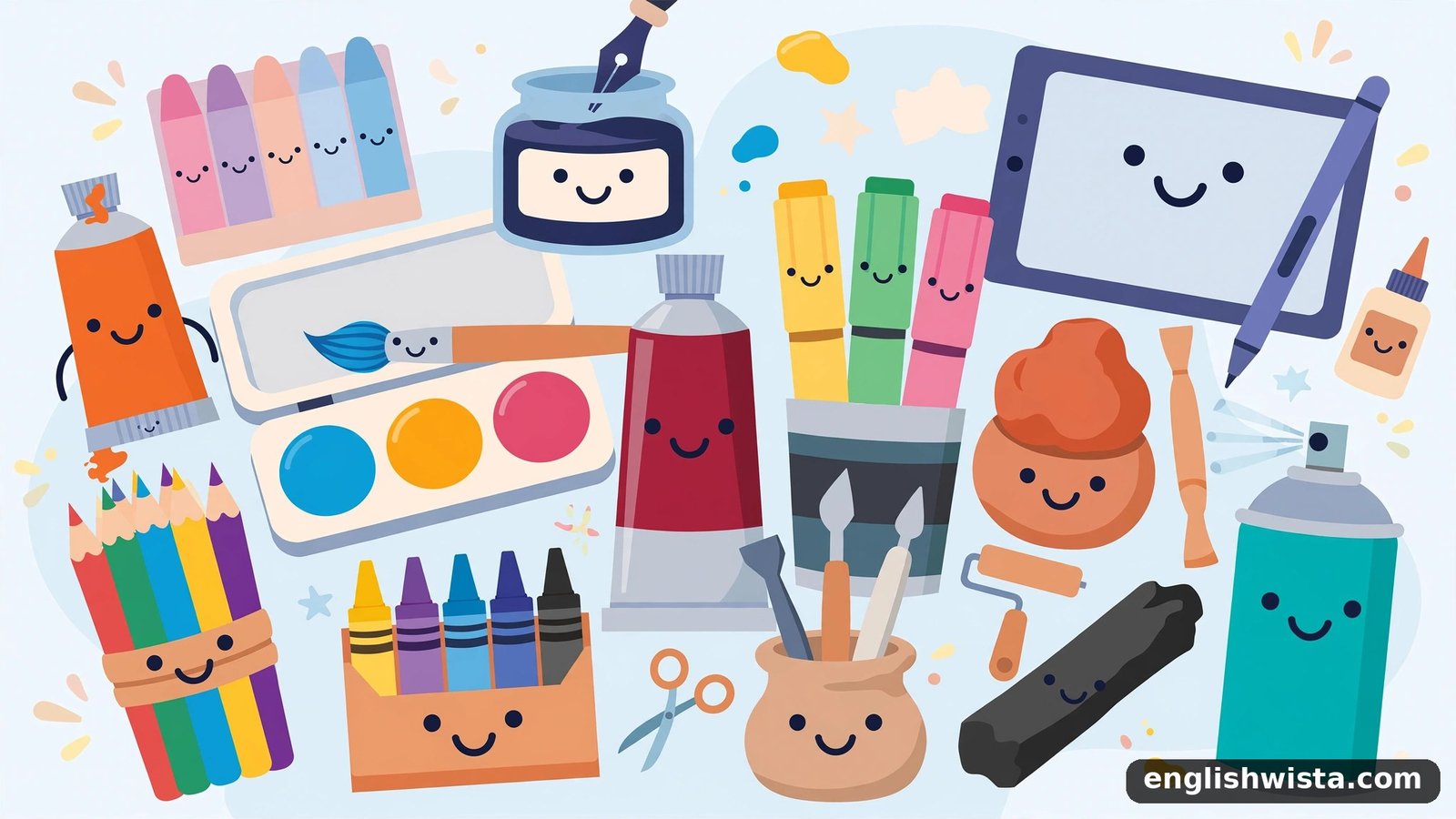
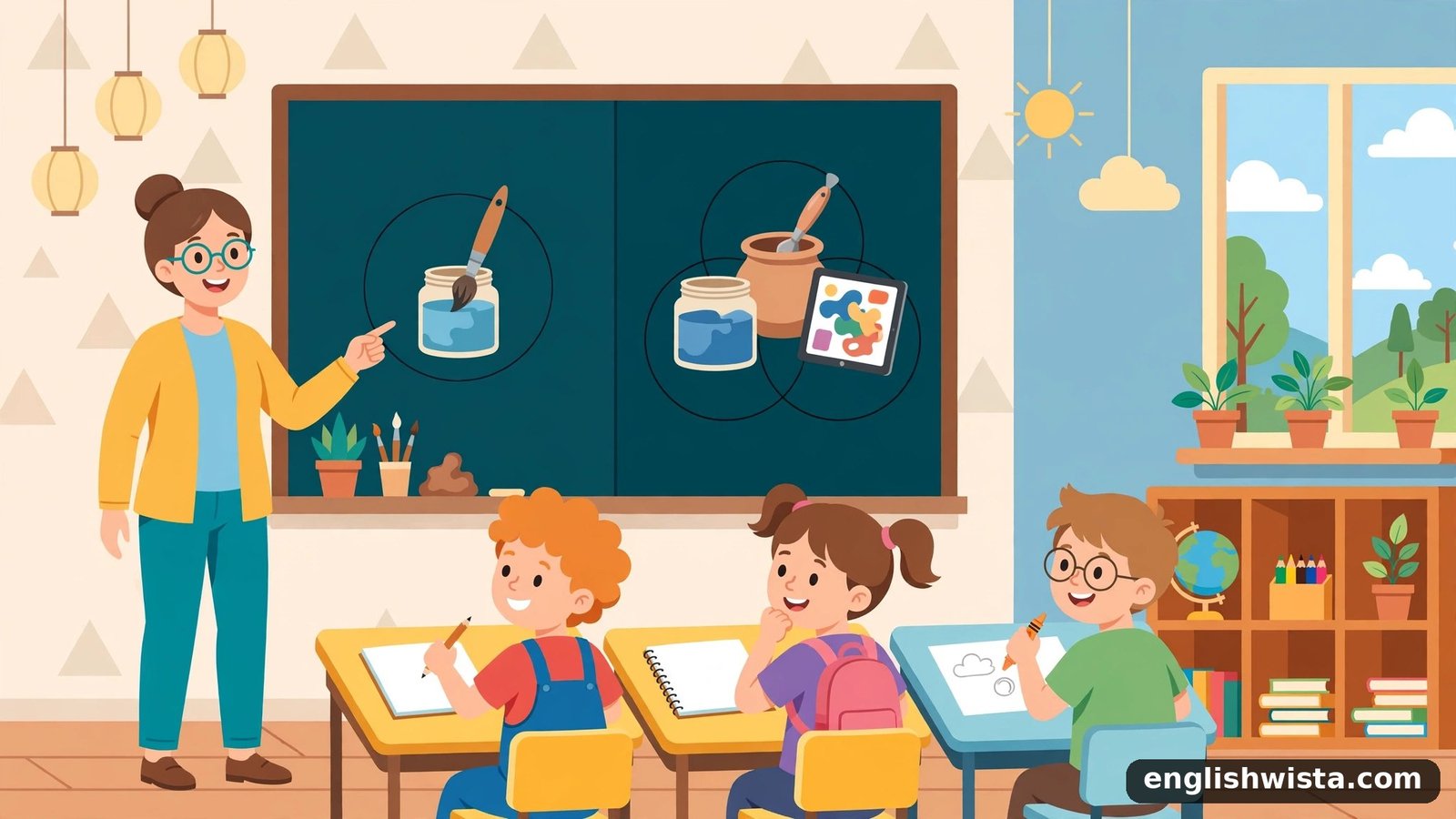
- Art: In art, a medium refers to the material an artist uses, like oil paints, clay, or watercolor.
- Spirituality: A medium can also mean a person who claims to communicate with spirits.
- General use: Sometimes, it simply refers to a middle point or size, like a “medium T-shirt.”
So, medium is a flexible word with several uses. And because it appears in different contexts, the plural form can also change.
What Is the Plural of Medium?
Here comes the key part: the correct plural form of medium can be media or mediums, depending on the meaning and the situation.
- When talking about communication tools (like newspapers, television, or social media), the preferred plural is usually media.
- When talking about art materials or spiritual workers, the acceptable plural is more often mediums.
So the correct plural depends on the context. That’s why it sometimes feels confusing you might hear both versions in different places.
Why Are There Two Plurals?
Great question! The answer lies in the word’s Latin origin.
The word medium comes from Latin. In Latin, many words ending in -um form their plural with -a. For example:
- datum → data
- bacterium → bacteria
- curriculum → curricula
Following this same rule, medium becomes the Latinized form media.
But English, with all its irregular plurals, often develops its own patterns over time. In modern English, adding an s to make plurals is the usual way. So, medium also has the plural mediums especially when referring to people or artistic methods.
That’s why both forms are considered correct today. It just depends on what you’re talking about.
Is Media Singular or Plural?
This singular vs plural question is where things get even more interesting. Technically, in Latin, media is plural. The singular is medium. But in everyday English, people often treat media as a singular collective noun.
For example:
- Traditional usage: “The media are reporting the story.” (treating media as plural)
- Modern usage: “The media is covering the story.” (treating media as singular)
Both versions are widely accepted today — subject-verb agreement just needs to stay consistent. In formal writing, you might see media treated as plural, but in casual speech, most people use it as singular.
So, if you’ve ever wondered which is correct the answer is both, depending on style and context.
When to Use Mediums vs. Media
To keep things simple, here’s a quick guide:
- Use media when you’re talking about mass communication or broadcasting.
- Example: “Social media is a powerful tool for connecting with people.”
- Example: “The media have reported extensively on the issue.”
- Use mediums when you’re talking about art or spiritual practices.
- Example: “The artist works with several mediums, including watercolor and acrylic.”
- Example: “Some people visit spiritual mediums for guidance.”
This distinction makes your writing and speaking clearer and more precise.
Real-Life Examples of Medium, Media, and Mediums
Let’s go through some examples of usage in sentences to see how these forms appear in everyday use.
- Communication
- Correct: “Television and radio are popular media.”
- Correct: “Social media has changed how we communicate.”
- Art
- Correct: “Oil paint and charcoal are the artist’s favorite mediums.”
- Correct: “The museum displayed works created in many different mediums.”
- Spirituality
- Correct: “The town is known for its psychic mediums.”
- Correct: “Several mediums gathered for the annual spiritual fair.”
- General usage (size or middle state)
- Correct: “I’ll take a medium coffee, please.”
- Note: In this sense, medium usually doesn’t need a plural, unless you’re ordering several.
- Example: “We bought three mediums and two larges.”
By practicing with examples, you’ll get a stronger sense of when to use media and when to use mediums.
Fun Facts About Medium and Media
Here are some extra bits of trivia to keep things interesting:
- The word media has taken on a life of its own in English. Today, when people say “the media,” they almost always mean newspapers, TV, or online platforms not just the plural of medium.
- In computer science, the term storage media refers to things like hard drives, CDs, or USB sticks. Here, media is always used, never mediums.
- The word medium also means “in the middle.” That’s why we say “medium rare” for steak, or “medium size” for clothes.
- In statistics, median (a related word) refers to the middle value in a set of numbers. Both words share the idea of being in the middle.
Common Mistakes to Avoid
Since this word can be confusing, here are some common mistakes to watch out for:
- Using mediums when you mean media
- Wrong: “Social mediums are growing quickly.”
- Right: “Social media is growing quickly.”
- Forgetting that media can be singular or plural
- Wrong: “The media are covering it, and it is covering it too.” (awkward mix)
- Better: Stick to one choice either singular or plural for clarity.
- Overthinking it
- Remember, both mediums and media are correct and dictionary-recognized in English. The key is knowing the context.
Quick Recap for Easy Memory
Here’s a simple way to remember:
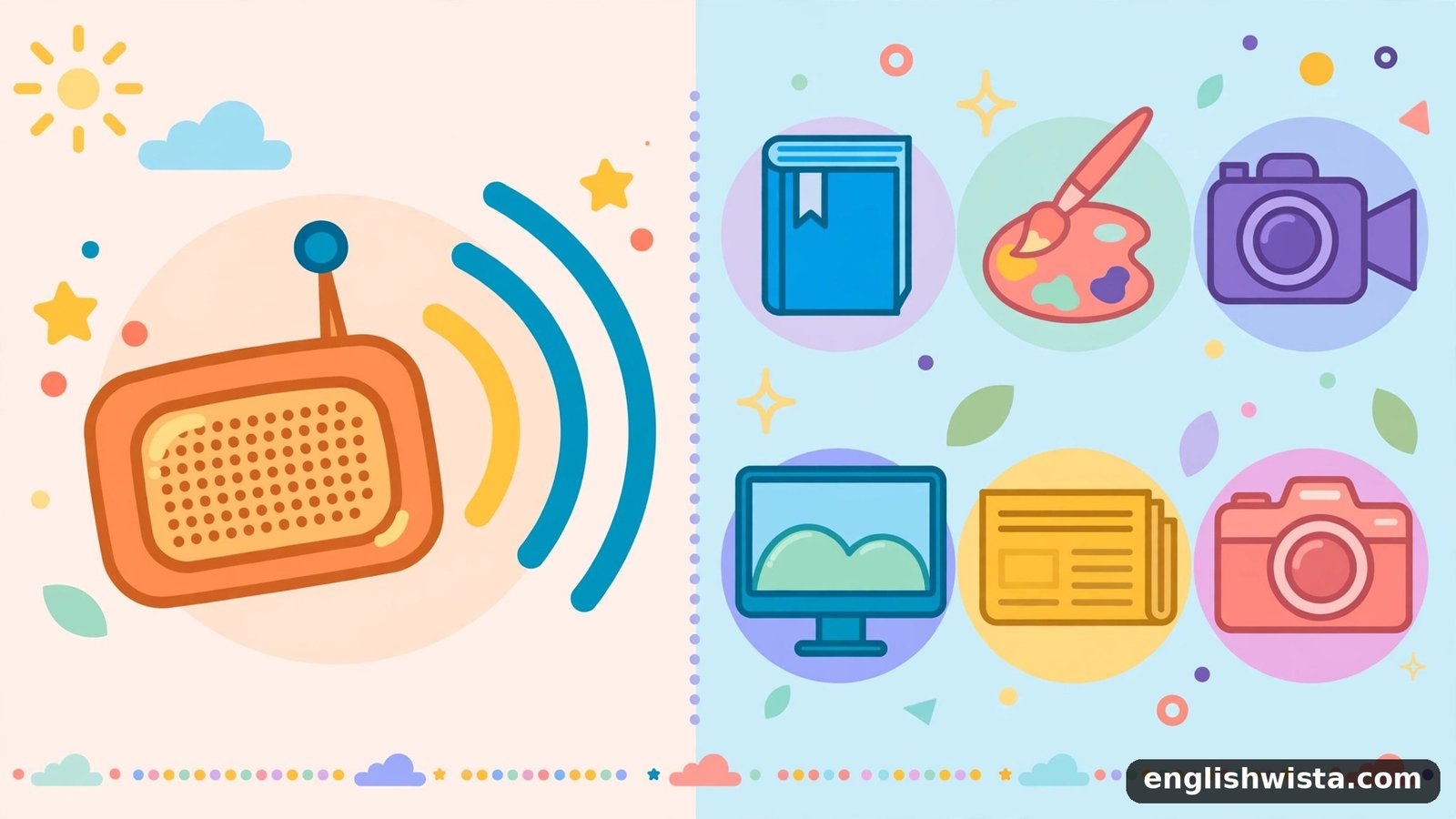
- Media = communication tools (news, TV, internet).
- Mediums = art materials or spiritual workers.
If you stick to this little memory trick, you’ll rarely go wrong.
Conclusion
So, what’s the plural of medium? The short answer is: it can be media or mediums, depending on the context.
- Use media when talking about mass communication or storage.
- Use mediums when referring to art materials or spiritual workers.
- Remember that media can act as both singular and plural in English today.
Now, the next time you hear someone mention “the media” or read about an artist working in “different mediums,” you’ll know exactly why both forms exist and how to use them correctly.
Language can feel tricky sometimes, but once you break it down, it’s not so bad. And with medium, you’ve got a word that’s not only useful but also a little fun to explore.
So, next time you order a “medium pizza” or scroll through “social media,” you can smile, knowing you’ve mastered the plural puzzle of this fascinating word.