Have you ever come across the word phenomenon and wondered what its plural form is? If so, you’re not alone. Many people — native speakers and learners alike — pause when they reach this word. It looks a little unusual, and as one of English’s trickier irregular plurals, it doesn’t follow the typical “add an -s” pattern we see with most English nouns.
In this article, we’re going to take a friendly walk through the world of “phenomenon.” We’ll explore what it means, how to use it, and of course, what its correct plural form is. Along the way, you’ll see examples, fun facts, and easy explanations that will make this word much less intimidating. By the end, you’ll feel confident using phenomenon in both its singular and plural forms.
Let’s get started!
What Does “Phenomenon” Mean?
Before we jump into plurals, let’s quickly understand the meaning of the word.
A phenomenon (pronounced fi-NOM-uh-non) refers to:
- Something that can be observed, like a natural event or occurrence.
- Something impressive or extraordinary, like a talented person or an amazing event.
Simple definition: A phenomenon is something that happens, exists, or draws attention because it’s unusual, impressive, or worth noticing.
Examples in sentences:
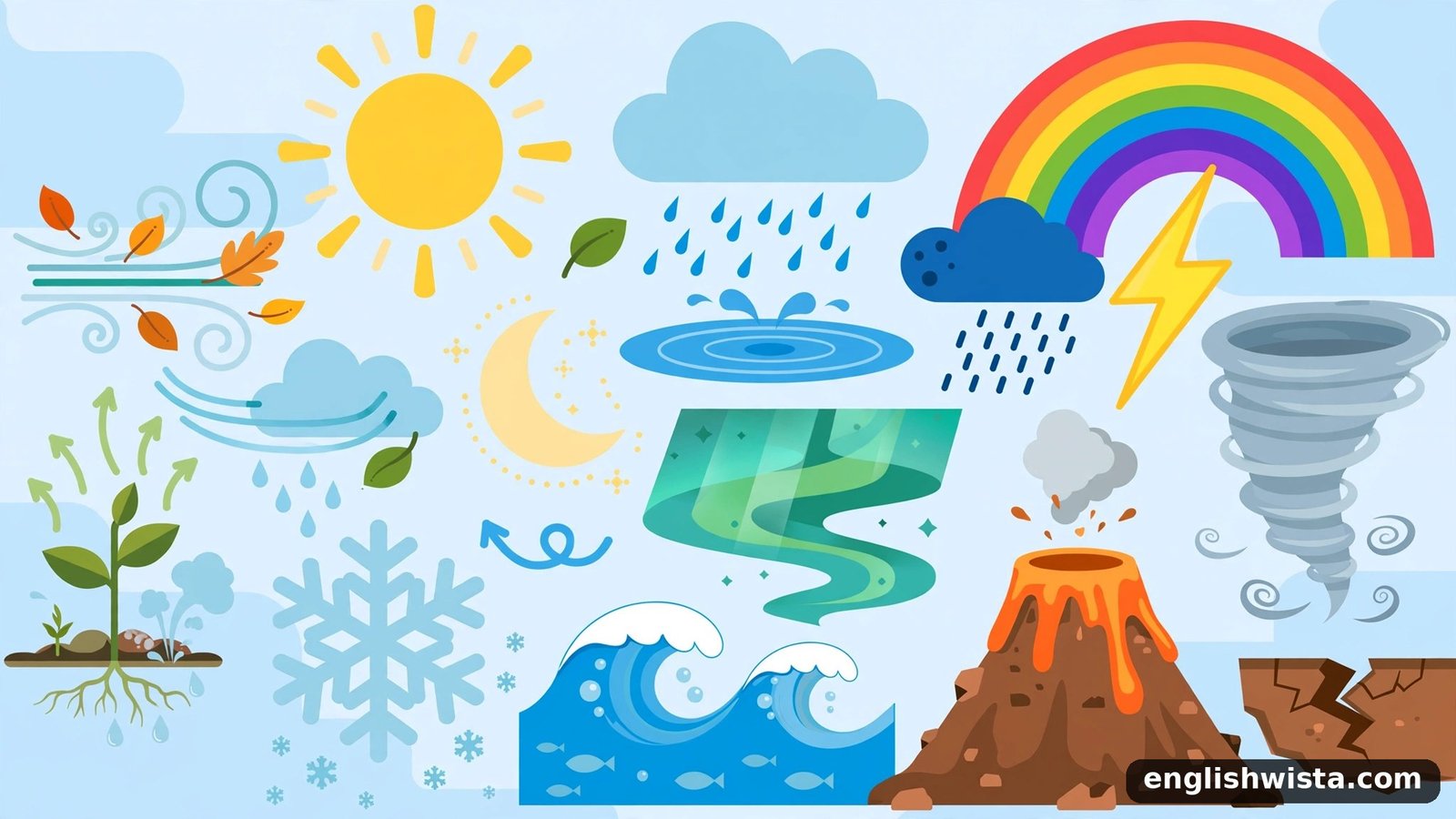
- The Northern Lights are a natural phenomenon that attracts visitors from around the world.
- The internet has become a cultural phenomenon in the modern age.
- That young chess player is a real phenomenon he wins every tournament!
What Is the Plural of Phenomenon?
Here comes the key question: What’s the plural of phenomenon?
The correct plural form is phenomena (pronounced fi-NOM-uh-nuh).
So instead of saying phenomenons — one of the incorrect forms many people mistakenly use — you should say phenomena.
Example sentences:
- Earthquakes, tsunamis, and hurricanes are natural phenomena.
- Social media trends are cultural phenomena of the 21st century.
- Many scientific phenomena are still not fully understood.
Why Is the Plural “Phenomena” and Not “Phenomenons”?
This is where English gets a little tricky. The word phenomenon has a Greek origin, so it doesn’t follow regular English word-building rules — its etymology is the reason for the unusual plural ending.
In Greek, words that end with -on usually change to -a when plural.
- One criterion → many criteria
- One automaton → many automata
- One phenomenon → many phenomena
So, the reason is simple: it’s borrowed from Greek, and we kept the Greek plural form.
Is “Phenomena” Always Correct?
Yes, phenomena is the standard plural form. You might sometimes hear people say phenomenons in casual conversation, where it works as an acceptable plural among friends — but it’s considered incorrect in formal writing or speech.
If you want to sound accurate, especially in school, work, or academic contexts, always use phenomena.
Singular or Plural? Common Confusions
Because the singular vs plural pair “phenomenon” and “phenomena” look and sound similar, people sometimes mix them up. Let’s clear this up:
- Phenomenon = singular (one thing).
- Phenomena = plural (more than one thing).
Examples:
- Correct: The rainbow is a beautiful phenomenon.
- Correct: Rainbows are beautiful phenomena.
- Incorrect: The rainbow is a beautiful phenomena.
- Incorrect: Rainbows are beautiful phenomenon.
Think of it like this: if you’re talking about one amazing thing, use phenomenon. If you’re talking about two or more, use phenomena — and keep subject-verb agreement in mind: “the phenomenon is,” but “the phenomena are.”
Using Phenomenon in Everyday English
Let’s look at some everyday examples to make things clearer:
- Science: Gravity is a physical phenomenon.
- Nature: Volcano eruptions are natural phenomena.
- Culture: TikTok challenges are modern phenomena.
- Sports: That athlete’s speed is a real phenomenon.
- Technology: Smartphones changed the world and became a global phenomenon.
As you can see, the word can be used in many different contexts.
Quick Memory Trick
How do you remember which is which? Here’s a little memory trick — a handy mnemonic:

- Singular = phenomenON → Think: “ON” for “one.”
- Plural = phenomenA → Think: “A” for “a lot.”
This simple trick will help you avoid confusion.
Fun Facts About the Word Phenomenon
- Greek Roots: The word comes from the Greek verb phainesthai, which means “to appear” or “to show.” So a phenomenon is basically something that appears to us.
- Scientific Popularity: Scientists love this word because it can describe events that are observed but not fully explained.
- Cultural Use: Over time, it has also become popular in everyday language to describe famous people, trends, or events. For example, people say: “Taylor Swift is a global phenomenon.”
- Common Mistakes: Even in newspapers and TV shows, you’ll sometimes see “phenomenons.” While it’s widespread, it’s not standard.
Comparing Phenomenon with Other Words
Sometimes it’s easier to understand by looking at similar examples.
- Criterion → Criteria
- One criterion for success is hard work.
- Several criteria are used to judge the contest.
- Datum → Data
- One datum is missing from the report.
- The data show an increase in sales.
- Phenomenon → Phenomena
- The solar eclipse is a rare phenomenon.
- Solar eclipses and lunar eclipses are rare phenomena.
These comparisons show that some English words, especially those from Greek or Latin, follow special plural rules.
Common Mistakes to Avoid
- Mixing singular and plural:
- Wrong: This phenomena is amazing.
- Right: This phenomenon is amazing.
- Adding an extra -s:
- Wrong: These are interesting phenomenons.
- Right: These are interesting phenomena.
- Overthinking:
- Don’t stress too much just remember “ON = one, A = many.”
Real-Life Practice Sentences
Try filling in the blanks to practice:
- The Great Wall of China is a cultural __________.
- Earthquakes and floods are natural __________.
- That singer’s rise to fame is a global __________.
- Scientists are studying several unusual __________.
Answers:
- phenomenon
- phenomena
- phenomenon
- phenomena
Why Does This Matter?
You might wonder, “Does it really matter if I use phenomenon or phenomena?”
The answer is yes especially if you’re writing essays, giving presentations, or communicating in professional or academic settings. Using the correct form shows that you understand the language and respect its rules. Plus, it helps your audience understand whether you’re talking about one thing or many.
How to Pronounce the Plural
Saying these words out loud correctly matters just as much as spelling them right. Here is a simple pronunciation guide with plain-English respellings and IPA transcription:
Phenomenon (singular): say fi-NOM-uh-non — /fɪˈnɒmɪnən/. The stressed syllable is “NOM,” the second syllable.
Phenomena (plural): say fi-NOM-uh-nuh — /fɪˈnɒmɪnə/. The stress stays on “NOM”; only the final sound changes, from “non” to a softer “nuh.”
Practice tip: Say the pair aloud three times — “one phenomenon, many phenomena” — until the switch from “non” to “nuh” feels natural. Recording yourself and playing it back is a quick way to check that the stress lands on “NOM” both times.
Recap of Key Points
- Phenomenon = singular.
- Phenomena = plural.
- Don’t use phenomenons in formal English.
- Remember: ON = one, A = many.
- Use in sentences:
- One phenomenon: “A solar eclipse is a rare phenomenon.”
- Many phenomena: “Solar eclipses and meteor showers are rare phenomena.”
Conclusion
Words like phenomenon can feel tricky at first, but with a little practice, they become second nature. Now you know that phenomenon is singular and phenomena is plural. You’ve also seen how to use them in real-life examples, learned some fun facts, and discovered a handy memory trick.
So the next time you’re writing or speaking about amazing events, natural wonders, or cultural trends, you’ll know exactly which word to use. Language doesn’t have to be scary it’s all about noticing patterns, practicing, and having a bit of fun along the way.
And who knows? By mastering words like these, maybe you’ll become a language phenomenon yourself!
Frequently Asked Questions
What is the plural of phenomenon?
The correct plural form is phenomena. You may occasionally hear “phenomenons” in casual speech, but it is considered an incorrect form in formal and academic English, so “phenomena” is always the safe choice.
Why isn’t the plural “phenomenons”?
Because “phenomenon” has a Greek origin. In Greek, many nouns ending in “-on” form their plural with “-a,” and English kept that pattern instead of applying the usual “add -s” rule. That is exactly why this word belongs to the group of irregular plurals.
Do I say “the phenomena is” or “the phenomena are”?
Say “the phenomena are.” Since “phenomena” is plural, subject-verb agreement calls for a plural verb: “These phenomena are fascinating.” For the singular, use “is”: “This phenomenon is fascinating.”
What other words follow the same plural rule as phenomenon?
Other Greek-origin words ending in “-on” work the same way, including criterion → criteria and automaton → automata. Learning one pattern helps you handle the whole family of words.