Do you ever write “disinterested” and wonder if you really mean “uninterested”? You are not alone! This pair causes arguments among editors, because one word means “impartial” and the other means “bored” — nearly opposite flavors. Today, we will clear it up once and for all with a simple example pair.
What Is the Simple Difference?
Here is the short answer you can use almost every time:
- Disinterested = impartial, neutral — having no personal stake in the outcome.
- Uninterested = bored, not interested — not caring to pay attention.
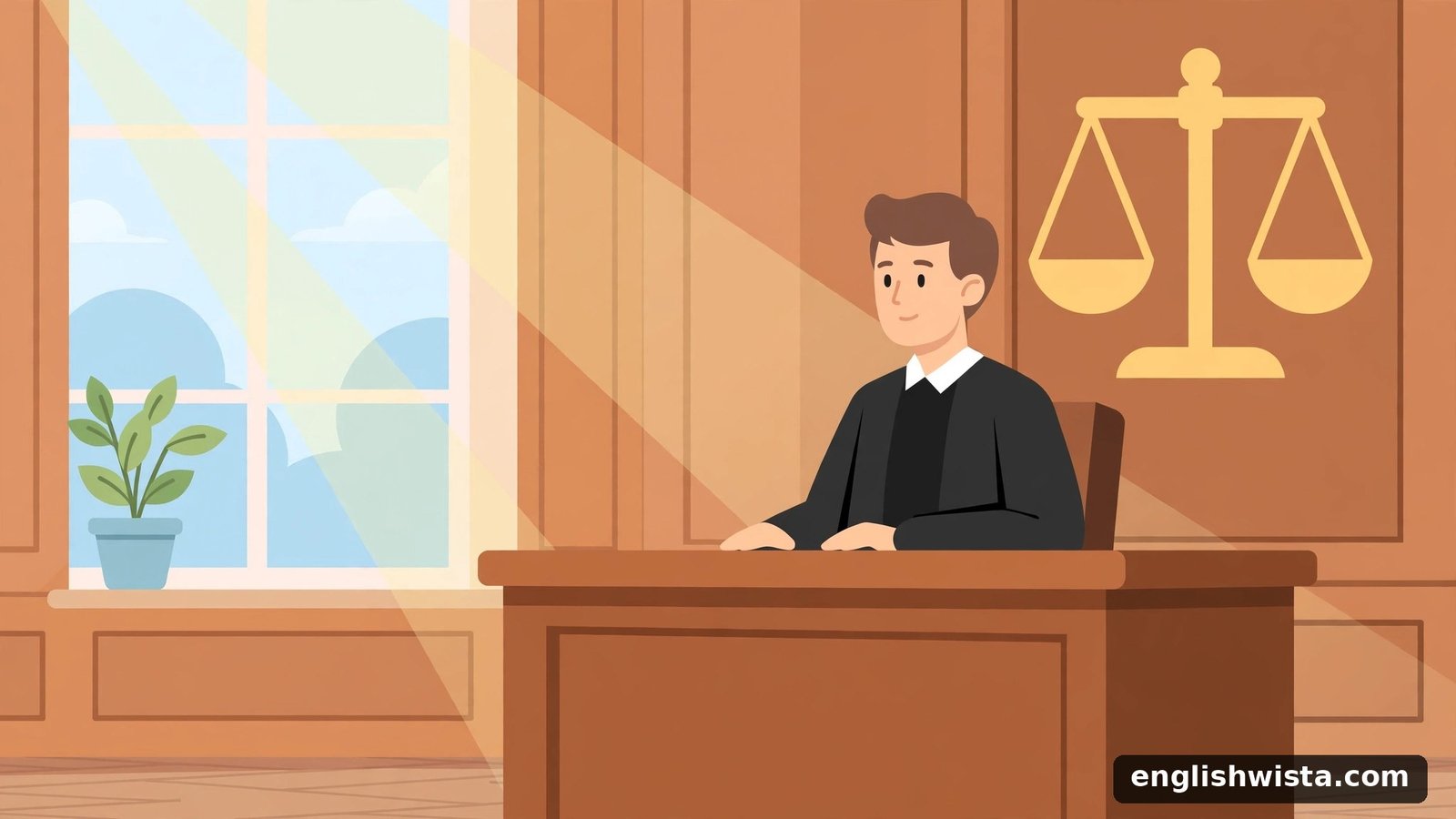
Think of it this way: a good judge is disinterested; a bored student is uninterested.
Disinterested: Fair and Neutral
Use disinterested for someone who is unbiased because they gain nothing either way — a valuable quality!
- We need a disinterested judge for this case. (A neutral one.)
- She gave disinterested advice — she had nothing to gain. (Honest, unbiased advice.)
- A disinterested witness confirmed the story. (No stake in it.)
- Referees must be disinterested. (Fair to both sides.)
If it means fair because uninvolved, it is disinterested — praise, not criticism!
Uninterested: Bored and Uncaring
Use uninterested for someone who simply does not care or finds something dull.
- He was uninterested in football. (It bores him.)
- The students looked uninterested during the long lecture. (Bored faces.)
- She is uninterested in gossip. (It doesn’t attract her.)
- Don’t be uninterested — this matters! (Pay attention!)
If it means “meh, don’t care,” it is uninterested.
The Easy Trick to Remember
Here is a trick that never fails — the courtroom picture:
- The judge must be disinterested (neutral) — but never uninterested (asleep during the trial!).
Try it:
- “A disinterested referee.” — fair to both teams! Correct!
- “An uninterested audience.” — bored, checking phones! Correct!
Neutral = disinterested. Bored = uninterested. That is the whole secret!
Disinterested vs Uninterested in Example Sentences
Let us look at real-life pairs side by side:
- The mediator was disinterested. (Fair.) / The mediator was uninterested. (Didn’t care — a disaster!)
- We want disinterested opinions on the plan. / He gave an uninterested shrug.
One word changes praise into insult — handle with care!
Common Mistakes to Avoid
Mistake 1: “Disinterested” for bored.
- Loose: “I’m totally disinterested in this show.” (Many people say this!)
- Precise: “I’m totally uninterested in this show.” (Bored = uninterested.)
Mistake 2: Insulting a judge by accident. Calling an official “disinterested” compliments their fairness. Calling them “uninterested” accuses them of not caring. In formal letters, this mix-up really matters!
Mistake 3: Thinking the distinction is fake. Some modern speakers DO use disinterested for bored, and dictionaries record that use — but exams, editors, and careful readers still hold the line. Knowing the precise meanings protects you in formal writing.
Frequently Asked Questions
What does “disinterest” mean as a noun? Traditionally, neutrality/lack of bias in formal texts; in everyday use it often means lack of interest. The adjective pair is where precision matters most.
Which word pairs with “party” in law? A “disinterested party” is a neutral outsider with no stake — a legal compliment. An “uninterested party” just doesn’t care.
Is there a word for the opposite — biased? Interested itself! In law, an “interested party” has a stake in the outcome. Disinterested = the safe opposite.
How are they pronounced? Disinterested = “dis-IN-truh-stid”; uninterested = “un-IN-truh-stid.” Stress lands the same — spelling carries the meaning.

Mini Quiz: Test Yourself
Choose disinterested or uninterested for each sentence.
- 1. A referee must be completely _____.
- 2. The audience was _____ and left early.
- 3. Ask a _____ outsider to decide fairly.
- 4. He is _____ in politics; he never watches the news.
- 5. Her _____ advice helped — she wanted nothing from us.
Answers: 1. disinterested (neutral/fair) 2. uninterested (bored) 3. disinterested (neutral) 4. uninterested (doesn’t care) 5. disinterested (unbiased)

Quick Recap
- Disinterested = impartial, neutral, no stake (a compliment).
- Uninterested = bored, doesn’t care.
- The judge test: disinterested judge = good; uninterested judge = asleep.
- “Interested party” in law = someone WITH a stake.
- Formal writing and exams enforce the distinction.
Conclusion
So, disinterested or uninterested? Now you know: disinterested minds are fair, and uninterested minds are bored. With the courtroom picture in your pocket, you will never mix them up again. Keep practicing with real sentences, and soon the right word will come to you automatically!