
Envious and jealous are often used as if they mean the same thing, but they describe two different feelings. Envy is wanting what someone else has, while jealousy is fearing that you will lose what you already have. This simple guide will help you tell them apart with easy examples, a memory trick, and a mini quiz.
What Is the Simple Difference?
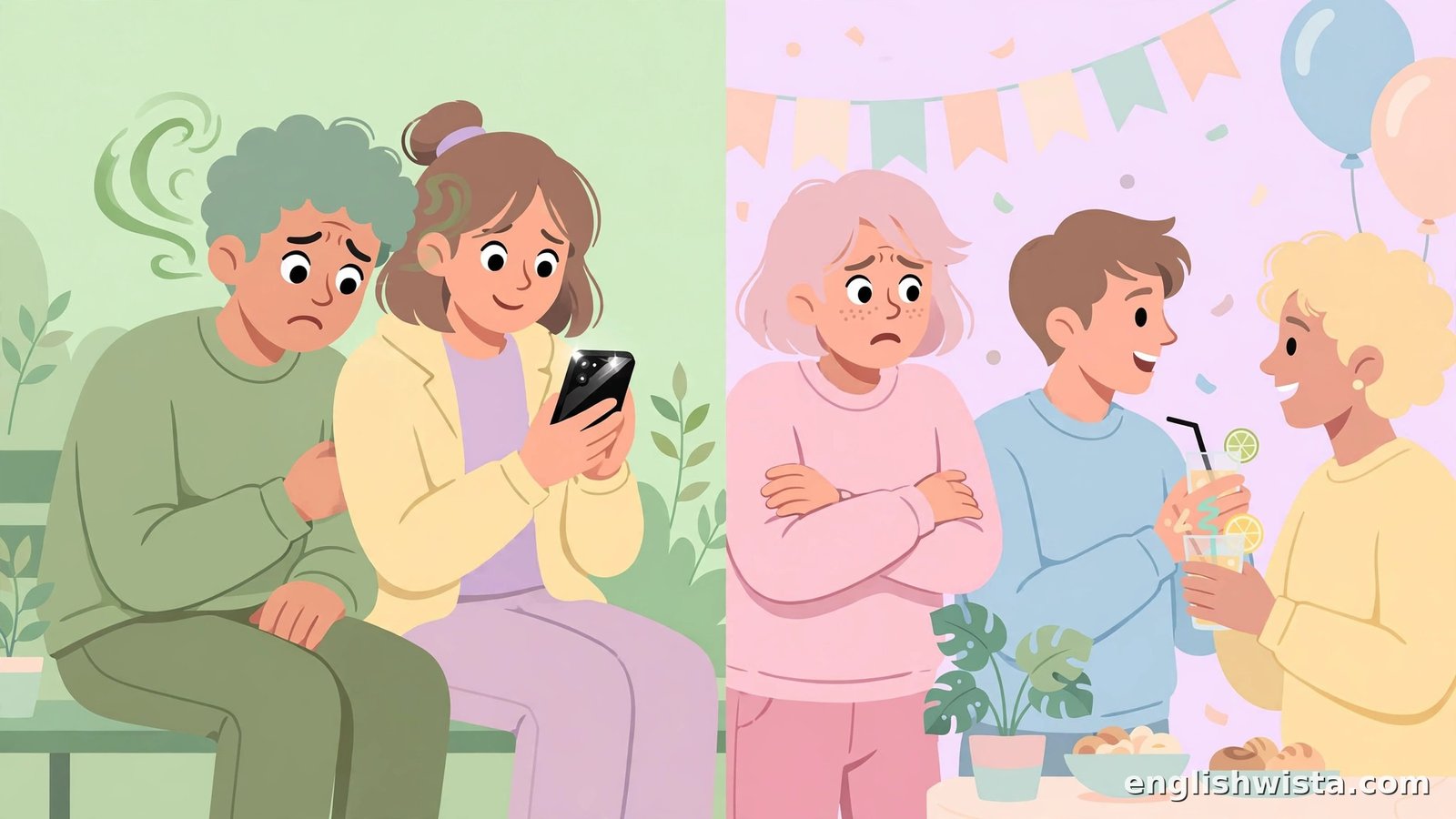
The simple difference is this: envious means you want something that belongs to someone else — their car, their talent, their holiday. Jealous means you are afraid of losing something you already have, such as a partner, a friend, or your position. So you are envious of your friend’s new phone, but jealous when someone else spends time with your best friend.
Envious: The Wanting Word
Envious (pronounced “EN-vee-uhs”) is an adjective meaning you wish you had what someone else has. Envy needs only two people: you and the person who has the thing you want. The noun is “envy”.
- I am envious of her beautiful singing voice.
- He felt envious when his neighbour bought a new car.
- She looked at their holiday photos with envious eyes.
Jealous: The Fear-of-Losing Word
Jealous (pronounced “JEL-uhs”) is an adjective meaning you fear losing something you have, or you feel angry because someone else is getting the attention you want. Jealousy usually needs three people: you, the person you love or value, and a rival. The noun is “jealousy”.
- He felt jealous when his girlfriend talked to another man.
- She was jealous of the attention her sister received.
- Do not be jealous — your friends still care about you.
The Easy Trick to Remember
- Envy has two people; jealousy has three. Envy: “I want what you have.” Jealousy: “I am afraid you will leave me for them.”
- Envious = “I want it”; jealous = “I might lose it”. Wanting is envy, guarding is jealousy.
- Jealousy guards, envy grabs — jealous people hold on tightly, envious people reach out for more.
- Say it as a rhyme: “I am envious of your new toy, but jealous when you play with another boy.”
Example Pairs
- I am envious of your talent for drawing. / He grew jealous when his friend spent time with others.
- She felt envious of their beach holiday. / The dog was jealous when the new puppy arrived.
- He was envious of his brother’s promotion. / She felt jealous when her best friend found a new friend.
Common Mistakes to Avoid
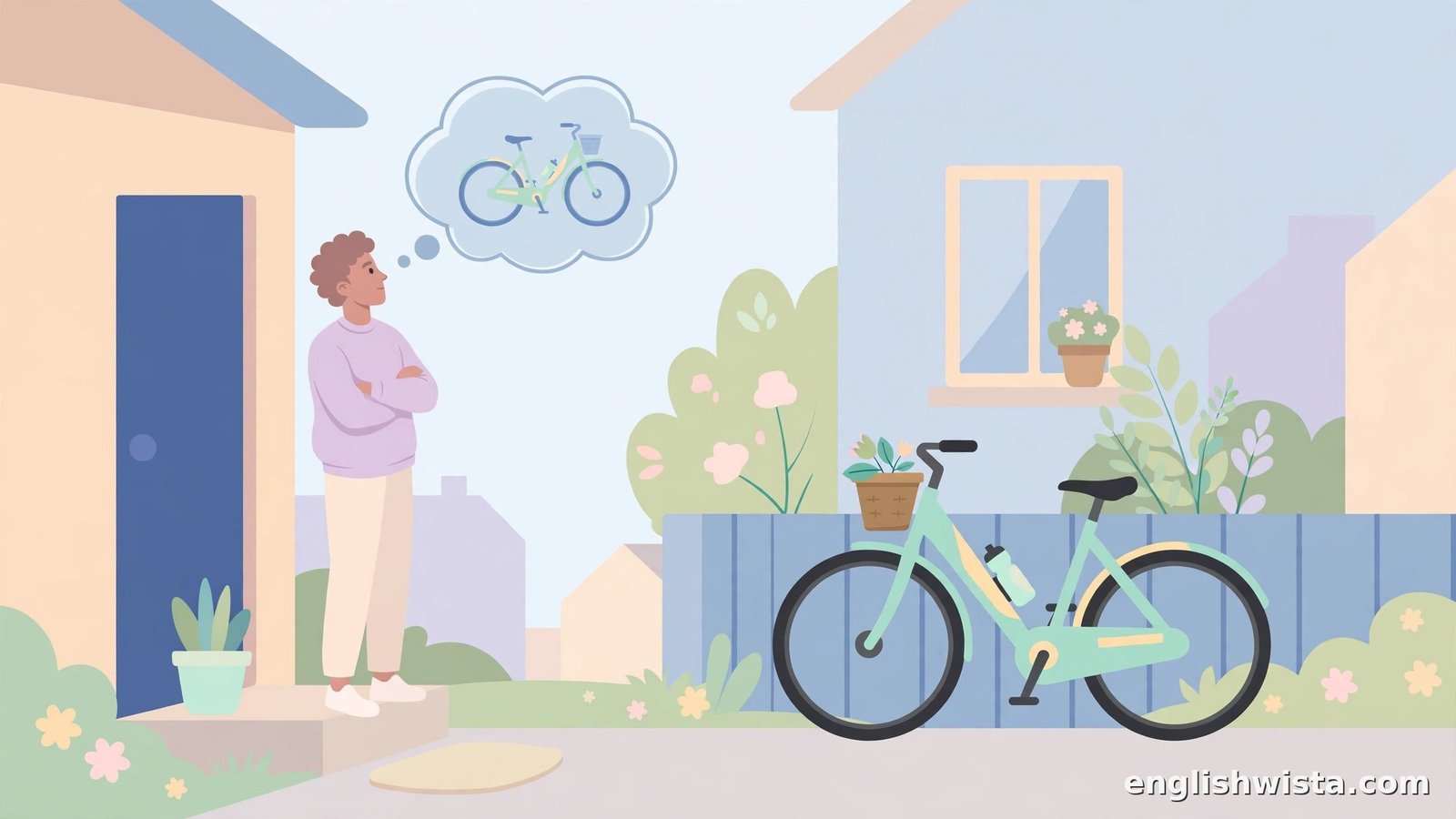
Wrong: I am jealous of your new bicycle.
Right: I am envious of your new bicycle.
Wrong: He felt envious when his wife danced with another man.
Right: He felt jealous when his wife danced with another man.
Wrong: She was envious that her sister got all the attention.
Right: She was jealous that her sister got all the attention.
Frequently Asked Questions
Do native speakers mix these words up? Yes, very often. In casual speech, “jealous” is commonly used for both feelings, but careful writers keep the difference.
What is the noun for “envious”? “Envy” — for example, “His success filled me with envy.” The noun for “jealous” is “jealousy”.
Can you be both envious and jealous? Yes. You can envy someone’s new car and also feel jealous that your friend likes them more than you.
Mini Quiz: Test Yourself
- 1. I am ___ of your lovely garden.
- 2. He felt ___ when his best friend played with someone else.
- 3. She was ___ of her colleague’s pay rise.
- 4. The cat was ___ when the owner petted the new kitten.
- 5. Do not be ___ — your turn will come soon.
Answers: 1. envious, 2. jealous, 3. envious, 4. jealous, 5. envious.

Quick Recap
- Envious = wanting what someone else has (think: two people, “I want it”).
- Jealous = fearing you will lose what you have (think: three people, “I might lose it”).
- In everyday speech people often say “jealous” for both, but careful English keeps them apart.
- The nouns are “envy” and “jealousy”.
Conclusion
Now you know the simple difference: you are envious when you want what others have, and jealous when you fear losing what is yours. Keep the memory trick in mind, practice with the example sentences, and you will never mix up these two feelings again.