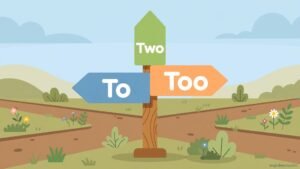
Fawn and faun differ by just one letter “u”, but their meanings are completely different. One is a baby deer, and the other is a mythical creature. One grazes in the forest, and the other plays a flute in ancient stories. This simple guide will help you understand the difference with easy examples, a memory trick, and a mini quiz.
What Is the Simple Difference?
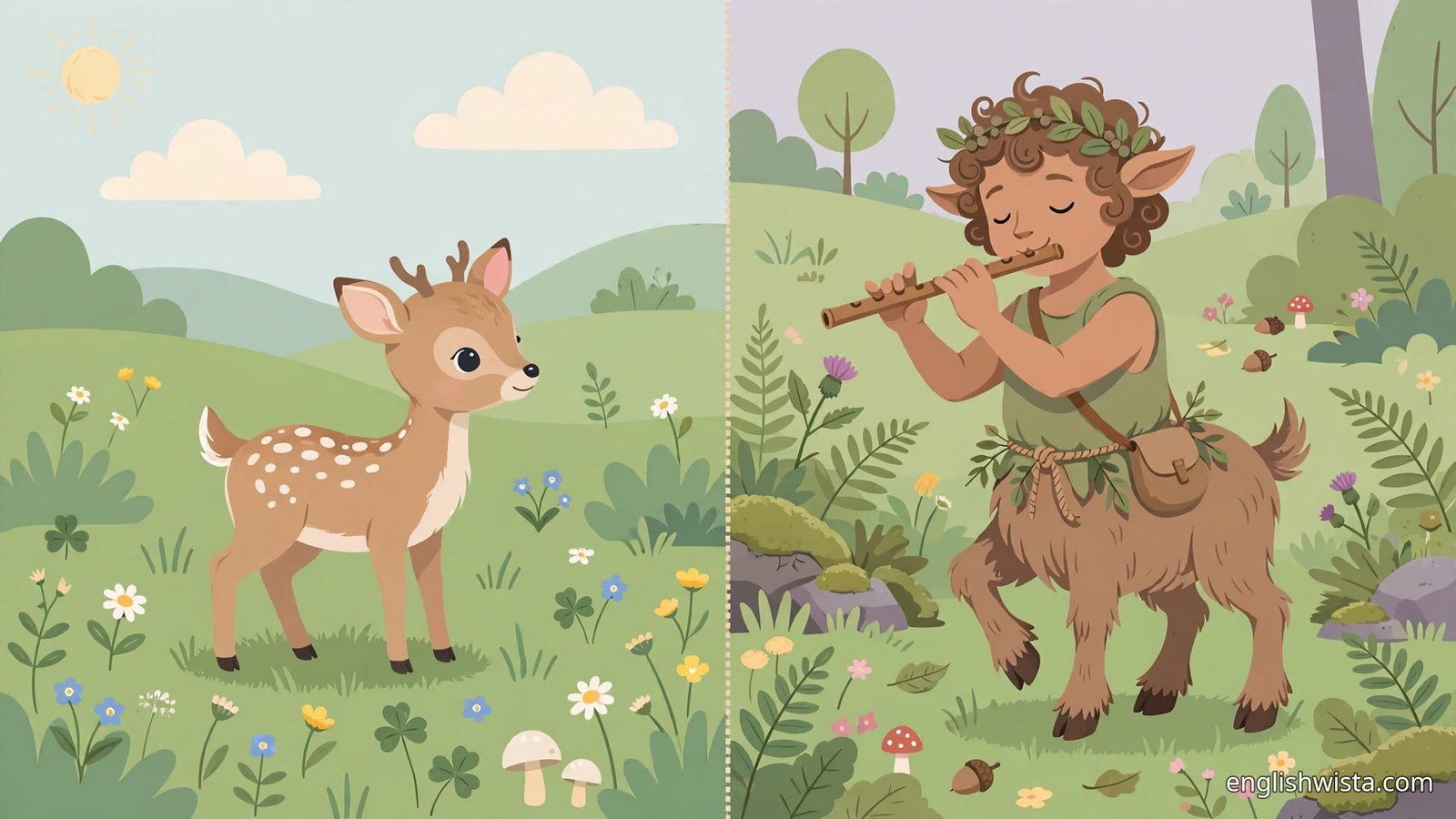
The simple difference is this: a fawn is a young deer — a real baby animal with white spots. A faun is a mythical creature from Roman stories, half man and half goat. So the spotted baby in the meadow is a fawn, but Mr. Tumnus from Narnia is a faun. Remember: a fawn is fauna, a faun is fantasy.
Fawn: The Young Deer Word
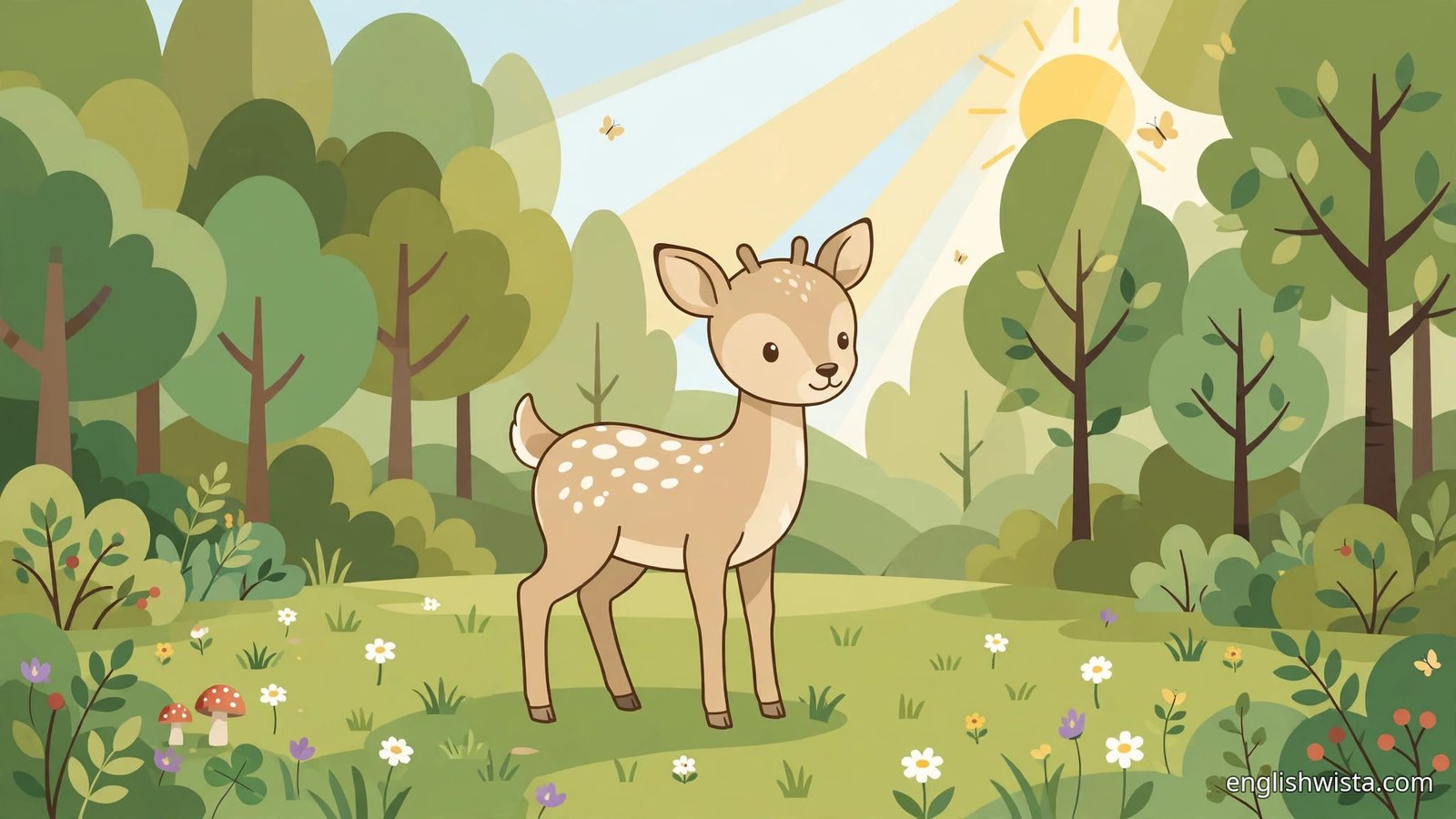
A fawn (pronounced “fawn”) is a baby deer, usually with light spots on its brown coat. “Fawn” is also a light brown color, and as a verb it means to flatter someone in a weak, cringing way.
- A tiny fawn hid in the tall grass near its mother.
- The fawn’s spots help it stay hidden from danger.
- She wore a soft fawn-colored coat.
Faun: The Mythical Creature Word
A faun (also pronounced “fawn”) is a creature from Roman mythology with a man’s body and a goat’s legs, horns, and ears. Fauns love music, dancing, and the forest.
- The faun played a sweet tune on his wooden pipes.
- In the story, a kind faun helped the lost child.
- Statues of dancing fauns decorated the ancient garden.
The Easy Trick to Remember
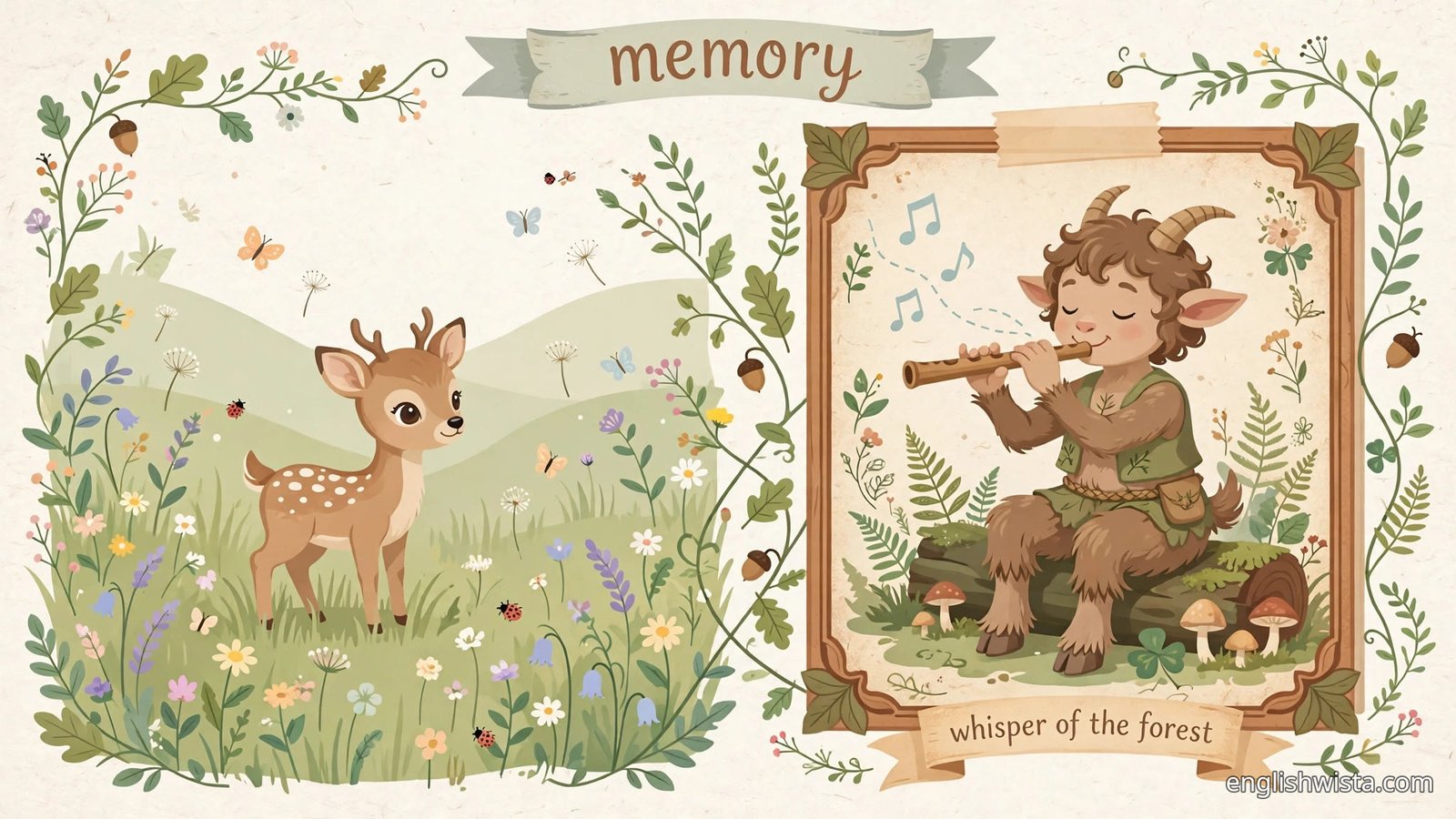
- Faun has a “u” — for “unreal”. Fauns only exist in myths and stories.
- Fawn has no “u” — it is real. Baby deer are real animals you can see in nature.
- A fawn is fauna — “fauna” means animals, and both words start with “fa”.
- Say it as a rhyme: “The fawn is real at break of dawn, the faun is fantasy and plays till dawn.”
Example Pairs
- The fawn stayed close to its mother in the meadow. / The faun danced in the moonlight on goat legs.
- A spotted fawn drank water from the stream. / The storybook faun played music in the woods.
- The walls were painted a soft fawn color. / In Narnia, Mr. Tumnus is a friendly faun.
Common Mistakes to Avoid
Wrong: A baby faun followed its mother through the forest.
Right: A baby fawn followed its mother through the forest.
Wrong: The fawn in the story had goat legs.
Right: The faun in the story had goat legs.
Wrong: Mr. Tumnus is a friendly fawn.
Right: Mr. Tumnus is a friendly faun.
Frequently Asked Questions
Are “fawn” and “faun” pronounced the same? Yes. Both are pronounced “fawn”, which is why learners mix them up so often.
What does “fawn” mean as a verb? As a verb, “fawn” means to try to please someone with too much flattery — “He fawned over the rich guests all evening.”
Are fauns the same as satyrs? Almost. Satyrs are the Greek version and fauns are the Roman version. Both are half man and half goat.
Mini Quiz: Test Yourself
- 1. The ___ stayed close to its mother in the meadow.
- 2. The ___ danced in the moonlight with goat legs.
- 3. A spotted ___ drank water from the stream.
- 4. The storybook ___ played music in the woods.
- 5. The walls were painted a soft ___ color.
Answers: 1. fawn, 2. faun, 3. fawn, 4. faun, 5. fawn.
Quick Recap
- Fawn (no “u”) = a young deer — a real animal (think: fawn is fauna).
- Faun (with “u”) = a mythical half-man, half-goat creature (think: “u” for “unreal”).
- Both are pronounced “fawn” — only the spelling tells them apart.
- Fawn is also a light brown color and a verb meaning to flatter too much.
Conclusion
Now you know the simple difference: a fawn is a baby deer, and a faun is a mythical creature. Keep the memory trick in mind, practice with the example sentences, and you will never mix up these two look-alike words again.