Do you ever write “hung” and wonder if it should be “hanged”? You are not alone! This pair has one of the strangest rules in English: the correct past tense depends on WHAT was suspended — a picture or a person. Today, we will clear it up once and for all with a rule that is dark, memorable, and simple.
What Is the Simple Difference?
Here is the short answer you can use almost every time:
- Hung = the past of hang for things (pictures, clothes, decorations).
- Hanged = the past of hang for people — specifically execution by hanging (historical/legal).
Think of it this way: objects are hung; in old law, criminals were hanged.
Hung: For Objects
Use hung whenever something is suspended — the everyday past tense of “hang.”
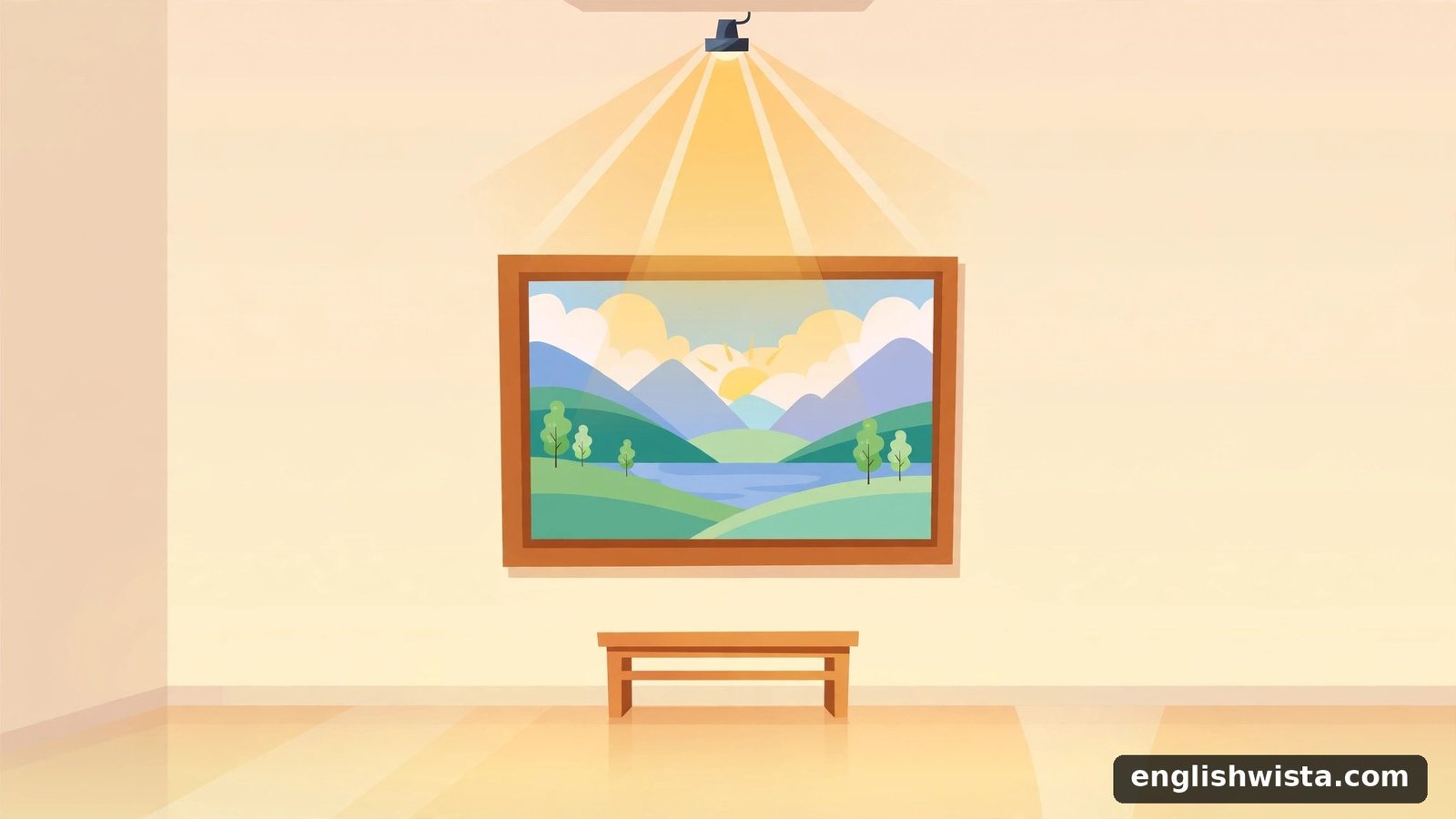
- She hung the painting on the wall. (A picture.)
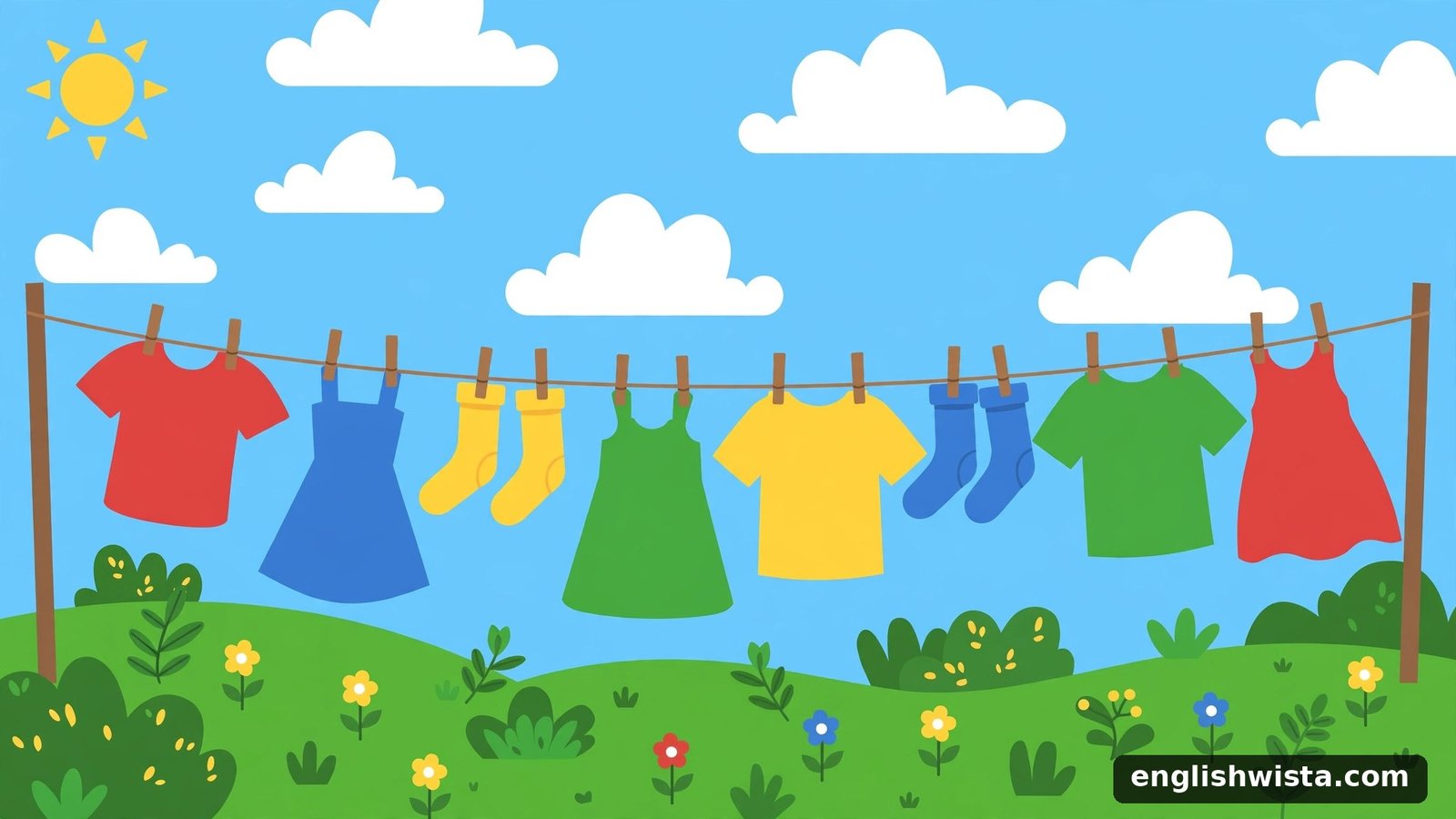
- We hung the clothes outside to dry. (Laundry.)
- He hung his coat on the hook. (A coat.)
- The decorations hung from the ceiling. (Objects.)
If it is a thing, it is hung — this covers 99% of modern life.
Hanged: For Executions (Historical)
Use hanged only for the specific historical/legal meaning: a person executed by hanging.
- The pirate was hanged in 1701. (Historical execution.)
- The judge ordered that the murderer be hanged. (Old court records.)
- Pirates were hanged at the harbor as a warning. (History books.)
This usage lives in history, law, and literature — you will read it far more often than you will write it.
The Easy Trick to Remember
Here is the famous grim rhyme teachers use:
- “Pictures are hung; people are hanged.“
Try it:
- “They hung the flag.” — a thing! Correct!
- “The outlaw was hanged at dawn.” — an execution in a history book! Correct!
Thing = hung. Execution = hanged. That is the whole secret!
Hanged vs Hung in Example Sentences
Let us look at real-life pairs side by side:
- She hung the portrait of the king. / In 1650, traitors were hanged at that very gate.
- He hung up the phone. / The old newspaper reported the spy was hanged.
In each pair, hung handles objects and everyday actions; hanged handles the gallows.
Common Mistakes to Avoid
Mistake 1: “Hanged” for objects.
- Wrong: “I hanged the picture.”
- Right: “I hung the picture.” (Things are hung!)
Mistake 2: “Hung” for executions in formal/history writing.
- Loose: “The pirate was hung.”
- Precise: “The pirate was hanged.” (History and law prefer hanged.)
Mistake 3: Overthinking modern figurative uses. “Hung” also covers everyday idioms: hung up the phone, hung out with friends, hung over (after a party!), a hung jury (cannot agree). All objects-and-idioms territory — all hung.
Frequently Asked Questions
Why does English have two past forms? History! “Hang” merged from two old verbs — one regular (hanged) and one irregular (hung). The legal profession kept the regular form for executions, and the distinction stuck.
Do news reports still use “hanged”? Yes — style guides (AP, etc.) require hanged for execution deaths, even today: “The prisoner was hanged.” Precision matters in reporting.
What about “hanged man” in games? The word game “Hangman” and the tarot card “The Hanged Man” both use hanged — it is the person form, exactly per the rule.
How are they pronounced? Hung = “hung” (short u); hanged = “hangd” (one syllable, rhymes with “banged” without the extra beat).
Mini Quiz: Test Yourself
Choose hanged or hung for each sentence.
- 1. She _____ the mirror above the sink.
- 2. In 1692, the accused were _____ in Salem. (history)
- 3. He _____ his jacket behind the door.
- 4. The flags _____ from every window.
- 5. The novel says the traitor was _____ at sunrise.
Answers: 1. hung (object) 2. hanged (execution) 3. hung (object) 4. hung (objects) 5. hanged (execution)

Quick Recap
- Hung = past of hang for things and idioms (99% of uses).
- Hanged = past only for execution by hanging (history/law/news).
- The rhyme: “Pictures are hung; people are hanged.”
- Idioms (hung out, hung up, hung jury) always take hung.
- Hangman game = hanged, because it is a person.
Conclusion
So, hanged or hung? Now you know: hung for everything you will ever hang on a wall, and hanged only for the history books. With the famous rhyme in your pocket, you will never mix them up again. Keep practicing with real sentences, and soon the right word will come to you automatically!